Cyd Notter

Nutrition Educator/ Author/ Coach

  • Home
  • Welcome
  • About Cyd
  • The “Plan A” Diet™
    • The “Plan A” Diet™
    • Free 45-minute Strategy Session
    • The 21-Day Meal Plan
    • Easy Meals and Desserts
    • The ‘Plan A’ Diet™ Food Pyramid
    • The Plan B Transition Approach
    • Our Mission & Philosophy
    • Why Go Plant-Based?
    • What’s Really True?
    • The story behind the book
  • Courses
  • About the Book
  • Contact Us
  • Articles of Interest
    • Food Topics
      • How Are Soy Curls Made
      • What’s the big deal about fiber?
      • Artificial Sweeteners – What you should know
      • Which food has 8x more cholesterol than beef?
      • 3 Big Reasons to Include Berries in Your Diet
      • Success Tips for Changing Your Diet
      • Suffering from Carbophobia?
      • What about alcohol?
      • The Slippery Slope of “Eating in Moderation”
      • A Nutrition Pop Quiz
      • Protein and Calcium
      • Aren’t Starches Fattening
      • Oils
        • Coconut Oil – Yes or No
        • Oils – what you should know
      • Eating Enough Fruits and Veggies?
      • Do You Have a Holiday Game Plan?
      • Making Only One Change?
      • America’s Love Affair with Bacon
      • Is it Safe to Eat Soy?
      • Are gluten-free diets for everyone?
      • Planning to diet this January? Do this instead.
      • Fabulous Flax Seed Has it All
      • How Important is the Glycemic Index?
      • Eating Out at Restaurants or Parties
      • Healthier Halloween Options
    • Health Topics
      • Don’t Rust Out – Get Your Antioxidants
      • “The Cheese Trap” – Plus the Confusing 2025 Dietary Guidelines
      • Common Barriers to Change
      • Omega Fatty Acids
      • Inflammatory and Anti-Inflammatory Foods (Printable List)
      • What is Vitamin B12 and how much should I take?
      • Why exercise?
      • 5 Reasons to Skip the Charcuterie Boards
      • MEN: Prostate Stats You Should Know
      • The Aluminum in Our Foods is Strongly Linked to Dementia
      • Diet and Gallbladder Disease
      • Infants are Being Fed Junk Food by Their First Birthday
      • 4 Things Necessary for a Successful, Healthy Diet
      • Habits – Good or Bad?
      • Is it too late to start eating healthy?
      • Making Small Changes but Expecting Big Results
      • Family and Social Pressure
      • Genes, Schmenes – It’s most likely the food
      • Is a plant-based diet safe for children?
      • Which Processed Meats Should We Avoid?
      • Gut Bacteria and Our Diets
      • Diet & Breast Cancer Prevention
      • Statins – Don’t Believe Everything you Read
      • Diabetes – “Manage” or Reverse?
      • The Health Benefits of (a little) Unprotected Sun
      • Making Changes Stick
      • Evaluating Research
      • Vitamin D and Sunshine
      • Featured in Health Science Magazine
    • Faith Related
      • Addressing Biblical Objections to a Plant-Based Diet
      • The mathematical odds that Jesus is who He said He is…
      • Poem: Lessons from a Bike Ride
  • Recipes
    • Dinosaur Kale Slaw
    • Easy, Fat-free Hummus
    • Chocolate Sweet Potato Frosting
    • Southwest Burgers with Low-fat Green Chile Sauce
    • BLT Hummus Dip
    • Date-Sweetened Berry Jam
    • Strawberry Rhubarb Crisp
    • Berry Rice Cake Bites – by Vicki Brett-Gach
    • Pasta Fagioli Stew
    • Iced Beverages
    • Black Bean Quinoa Salad with Tangy Date-Lime Dressing
    • Easy Braised Onions & Green Beans
    • Best Blueberry Pancakes
    • Vegan Sausage Patties
    • Zucchini Bean Burritos
    • Minestrone Soup (Easy!)
    • Gingerbread Biscotti
    • Instant Pot Pineapple Chili
    • No-Flour Corn Muffins
    • BLT Hummus Dip
    • Cheesy-Beany Dip
    • BBQ Soy Curls
    • Klunkers Kitchen Potato Salad
    • Magic Crust Pumpkin Pie
    • French Toast
    • Carrot Cake with Glaze
    • Blueberry Oat Bran Muffins
    • Choco-Mint Nice Cream & Sauce
    • Homestyle Squash and Pinto Beans
    • Chocolate Orange Nice Cream (and Sauce)
    • Easy Instant Pot Risotto
    • Easy Meals and Desserts
    • Recipe Links
    • Pumpkin Raisin Muffins
    • Magic Crust Pumpkin Pie
    • Roasted Veggie Pasta
    • Zucchini Muffins
    • Fat-free Green Chile Sauce
    • Tofu Lettuce Wraps
    • Creamy Chickpea Pot Pie Soup
    • BLT Hummus Dip
    • Klunkers Kitchen Potato Salad
  • Upcoming Events
  • Resources
  • Testimonials
    • Amanda G. – Loses Digestive Issues and 115 lbs.
    • Tim P. – Off all 8 Meds!
    • Cindi R. – Reversed Blocked Carotid
    • Doug M. – Doc says “Cured!”
    • Denise V. – At Peace with Food and Body Image
    • Linda Z. – Autoimmune Skin Disorder now Dormant
    • Olga A. – Improved Cognitive Function
    • Kim C. – Relief from “Getting Older”
  • Blog
  • Media Kit
  • Coaching Services

Don’t Rust Out – Get Your Antioxidants

Free Radicals – A Hidden Danger

Have you ever noticed how an apple or banana turns brown shortly after being sliced and exposed to the air? They turn brown quickly (or oxidize) because they don’t contain a lot of antioxidants (an apple’s antioxidants are in the peel).

When we add lemon juice however, which contains the antioxidant vitamin C, the fruit keeps from turning brown.  Have you ever noticed how a car fender becomes rusty or a penny turns brown? Again a result of oxidation.

Oxidation happens routinely in our bodies as well, and while some oxidation is beneficial for getting rid of foreign substances, trouble results when the oxygen we breathe converts a stray, high-energy electron into a superoxide – also known as a “free radical”.
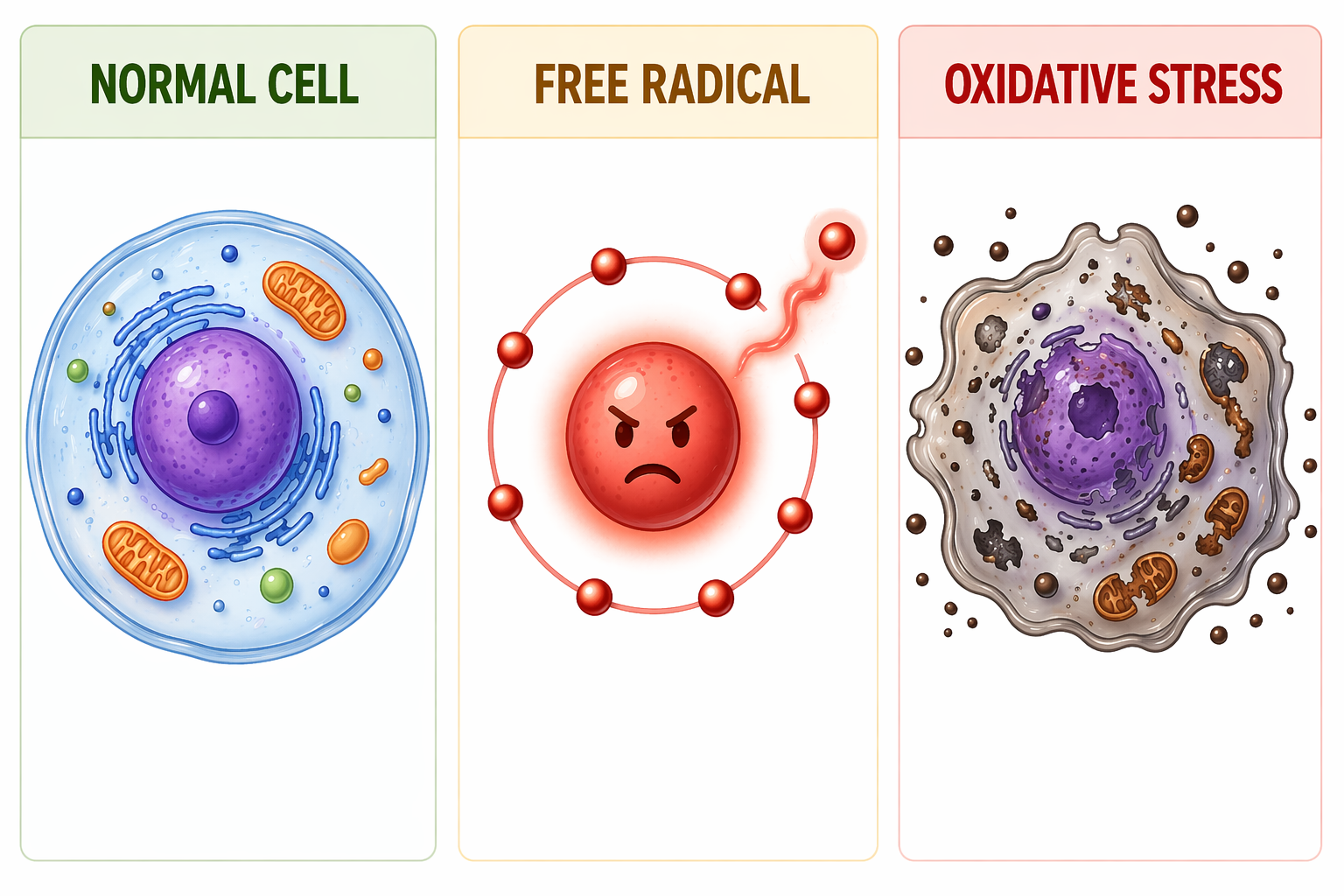
Free radicals are unstable, out of control oxygen molecules which can damage our genes, promote cancer, affect our brain health, encourage plaque rupture (leading to strokes and heart attacks), and a list of other diseases; when too many free radicals are produced, they overwhelm our system and result in cellular damage that essentially promotes aging and causes wrinkles.

Those brown age spots on your hands, for example, are oxidized fat under the skin.

High levels of free radicals also cause oxidative stress, which contributes to arthritis, diabetes, heart disease, emphysema, Alzheimer’s disease, cancer, and again, pre-mature aging.

Luckily, the body has a way to fight back against oxidative stress.

Antioxidants to the Rescue

As the name implies, antioxidants, a.k.a. ‘free radical scavengers,’  are the body’s defense system against oxidation. Plants are filled with compounds that are capable of binding and neutralizing excess free radicals, which slows the aging process in our cells and helps ward of disease.

Studies continually show that people consuming the most antioxidant-rich foods have lower risk of stroke, lung disease and a host of other diseases. (It should be noted that antioxidant supplements do not provide the same benefits).

So what are the highest antioxidant foods? Researchers spanned the globe and developed a database of more than three thousand foods, beverages, herbs, spices and supplements. On average, plant foods contain sixty-four times more antioxidants than animal foods.

As the researchers stated, “antioxidant rich foods originate from the plant kingdom while meat, fish and other foods from the animal kingdom are low in antioxidants.”

Great Food Sources

The best sources are berries – some containing over 1,000 units of antioxidant power. Even iceberg lettuce, which is 96% water, contains 17 units of antioxidant power, compared to salmon which contains only three units, chicken which contains five, skim milk and hard boiled eggs which contain four, and egg beaters which contain zero.
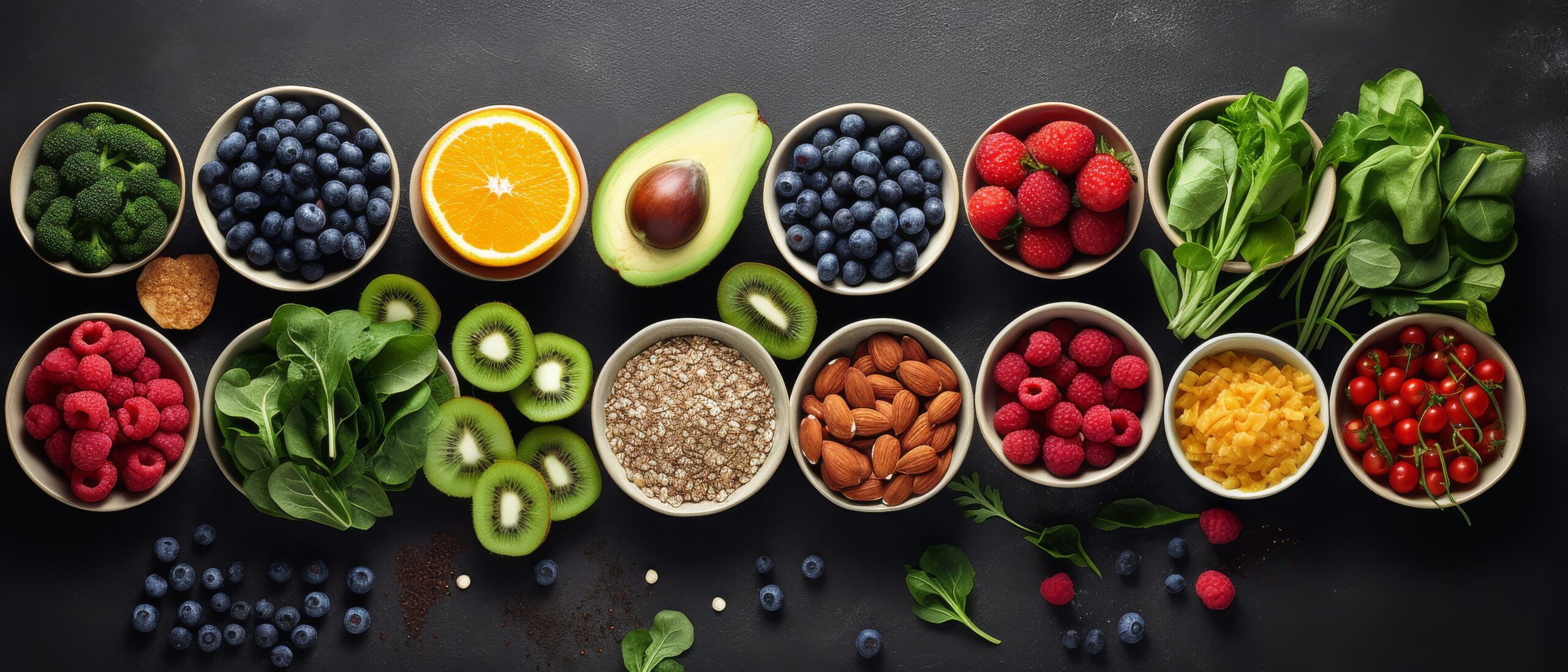
Herbs and spices are another amazing source of antioxidant power. Adding a teaspoon of oregano or marjoram to your pasta increases the antioxidant power by 150 units. Adding a half teaspoon of cinnamon to your oatmeal adds about 100 units. Plant based meals such as oatmeal, or pasta with marinara and broccoli, are rich in antioxidants on their own, but adding spices makes them even healthier.

By striving to eat a diet comprised of fruits, vegetables, whole grains, herbs and spices at every meal, we’re protecting ourselves against stroke and artery stiffness, lowering blood pressure and inflammation, protecting our immune system and helping to prevent blood clots.

Berries and greens are the best for addressing inflammation, but a diet filled with a variety of plant foods is important due to the thousands of antioxidant phytochemicals found in plants.

Other Contributors to Oxidation

Other dietary factors which produce oxidants and free radicals include the mercury found in fish, excessive sodium, and the trans fats and chemicals found in processed foods.

Plus, animal protein in general should be eliminated (or at least greatly reduced); animal based foods are highly inflammatory, and some evidence suggests the excess protein in today’s diets promotes excess oxidation, and we’re no longer consuming enough plant-based antioxidants to neutralize the damage.

I’m at your service to show you how to incorporate more antioxidants into your daily fare!

****************************************************

Watch my free webinar: 3 Food Mistakes Which Lead to Painful Joints, Extra Weight, and Health Problems the Doctors Aren’t Solving. 

For more information or to be notified of classes, please subscribe to my newsletter here.

(Sources: Dr. Michael Greger, How Not to Die; Dr. T. Colin Campbell, Whole – Rethinking the Science of Nutrition)

Share this page
Book Cover

Click here for details

Find me elsewhere

  • Email
  • Facebook
  • Instagram
  • LinkedIn

Privacy Policy · Legal Notice & Disclosures

Copyright © 2026 · Cyd Notter · Site by WebByMike.com · Admin · Log in

FREE Training Class 

3 Food Mistakes Which Lead to Painful Joints, Extra Pounds, and Health Problems the Doctors Aren't Solving


Yes, I want to know more!
 
 
No, I'll pass for now
 

Come learn 3 things you can begin implementing today!