Cyd Notter

Nutrition Educator/ Author/ Coach

  • Home
  • Welcome
  • About Cyd
  • The “Plan A” Diet™
    • The “Plan A” Diet™
    • Free 45-minute Strategy Session
    • The 21-Day Meal Plan
    • Easy Meals and Desserts
    • The ‘Plan A’ Diet™ Food Pyramid
    • The Plan B Transition Approach
    • Our Mission & Philosophy
    • Why Go Plant-Based?
    • What’s Really True?
    • The story behind the book
  • Courses
  • About the Book
  • Contact Us
  • Articles of Interest
    • Food Topics
      • How Are Soy Curls Made
      • What’s the big deal about fiber?
      • Artificial Sweeteners – What you should know
      • Which food has 8x more cholesterol than beef?
      • 3 Big Reasons to Include Berries in Your Diet
      • Success Tips for Changing Your Diet
      • Suffering from Carbophobia?
      • What about alcohol?
      • The Slippery Slope of “Eating in Moderation”
      • A Nutrition Pop Quiz
      • Protein and Calcium
      • Aren’t Starches Fattening
      • Oils
        • Coconut Oil – Yes or No
        • Oils – what you should know
      • Eating Enough Fruits and Veggies?
      • Do You Have a Holiday Game Plan?
      • Making Only One Change?
      • America’s Love Affair with Bacon
      • Is it Safe to Eat Soy?
      • Are gluten-free diets for everyone?
      • Planning to diet this January? Do this instead.
      • Fabulous Flax Seed Has it All
      • How Important is the Glycemic Index?
      • Eating Out at Restaurants or Parties
      • Healthier Halloween Options
    • Health Topics
      • Don’t Rust Out – Get Your Antioxidants
      • “The Cheese Trap” – Plus the Confusing 2025 Dietary Guidelines
      • Common Barriers to Change
      • Omega Fatty Acids
      • Inflammatory and Anti-Inflammatory Foods (Printable List)
      • What is Vitamin B12 and how much should I take?
      • Why exercise?
      • 5 Reasons to Skip the Charcuterie Boards
      • MEN: Prostate Stats You Should Know
      • The Aluminum in Our Foods is Strongly Linked to Dementia
      • Diet and Gallbladder Disease
      • Infants are Being Fed Junk Food by Their First Birthday
      • 4 Things Necessary for a Successful, Healthy Diet
      • Habits – Good or Bad?
      • Is it too late to start eating healthy?
      • Making Small Changes but Expecting Big Results
      • Family and Social Pressure
      • Genes, Schmenes – It’s most likely the food
      • Is a plant-based diet safe for children?
      • Which Processed Meats Should We Avoid?
      • Gut Bacteria and Our Diets
      • Diet & Breast Cancer Prevention
      • Statins – Don’t Believe Everything you Read
      • Diabetes – “Manage” or Reverse?
      • The Health Benefits of (a little) Unprotected Sun
      • Making Changes Stick
      • Evaluating Research
      • Vitamin D and Sunshine
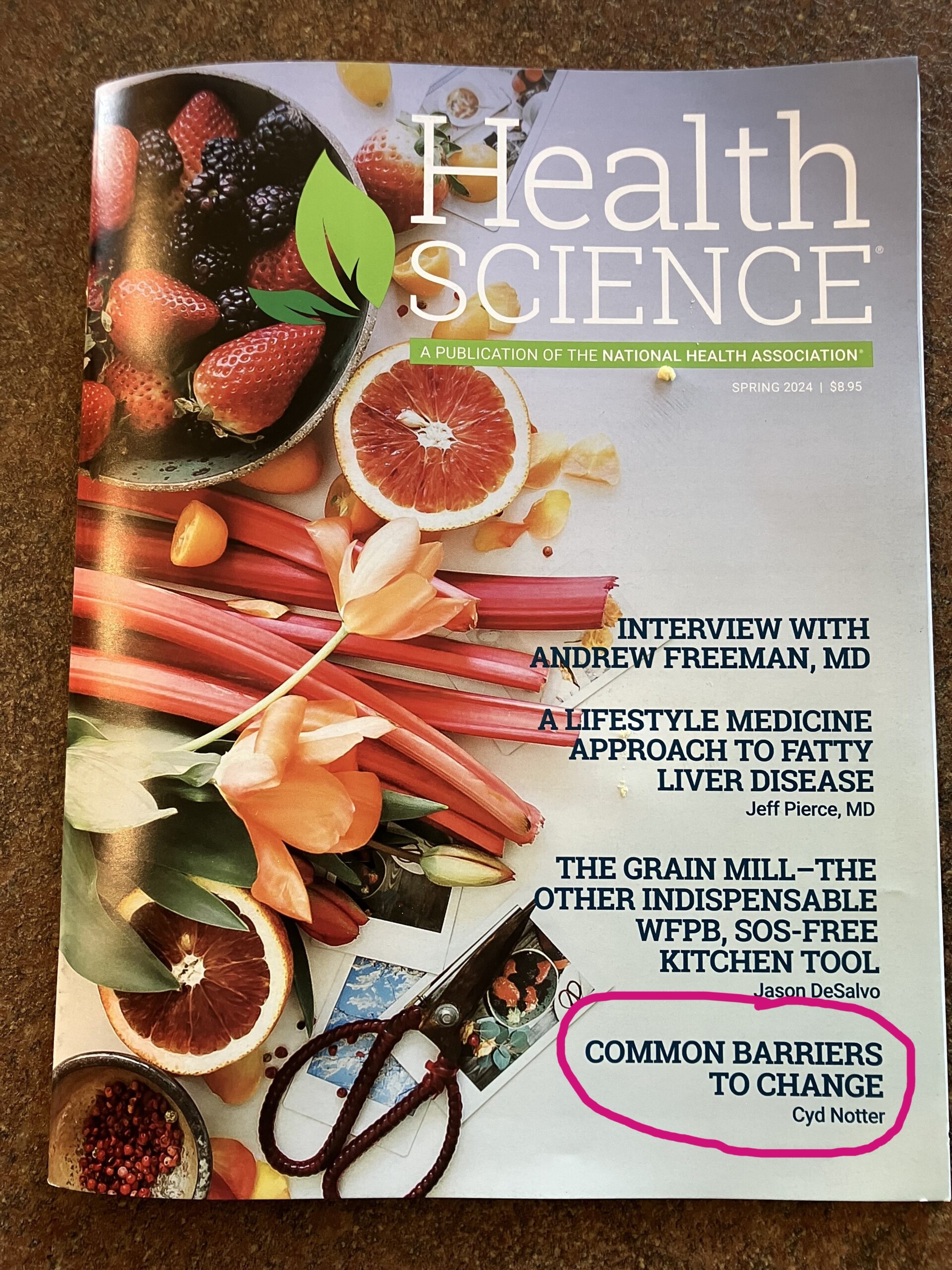
      • Featured in Health Science Magazine
    • Faith Related
      • Addressing Biblical Objections to a Plant-Based Diet
      • The mathematical odds that Jesus is who He said He is…
      • Poem: Lessons from a Bike Ride
  • Recipes
    • Dinosaur Kale Slaw
    • Easy, Fat-free Hummus
    • Chocolate Sweet Potato Frosting
    • Southwest Burgers with Low-fat Green Chile Sauce
    • BLT Hummus Dip
    • Date-Sweetened Berry Jam
    • Strawberry Rhubarb Crisp
    • Berry Rice Cake Bites – by Vicki Brett-Gach
    • Pasta Fagioli Stew
    • Iced Beverages
    • Black Bean Quinoa Salad with Tangy Date-Lime Dressing
    • Easy Braised Onions & Green Beans
    • Best Blueberry Pancakes
    • Vegan Sausage Patties
    • Zucchini Bean Burritos
    • Minestrone Soup (Easy!)
    • Gingerbread Biscotti
    • Instant Pot Pineapple Chili
    • No-Flour Corn Muffins
    • BLT Hummus Dip
    • Cheesy-Beany Dip
    • BBQ Soy Curls
    • Klunkers Kitchen Potato Salad
    • Magic Crust Pumpkin Pie
    • French Toast
    • Carrot Cake with Glaze
    • Blueberry Oat Bran Muffins
    • Choco-Mint Nice Cream & Sauce
    • Homestyle Squash and Pinto Beans
    • Chocolate Orange Nice Cream (and Sauce)
    • Easy Instant Pot Risotto
    • Easy Meals and Desserts
    • Recipe Links
    • Pumpkin Raisin Muffins
    • Magic Crust Pumpkin Pie
    • Roasted Veggie Pasta
    • Zucchini Muffins
    • Fat-free Green Chile Sauce
    • Tofu Lettuce Wraps
    • Creamy Chickpea Pot Pie Soup
    • BLT Hummus Dip
    • Klunkers Kitchen Potato Salad
  • Upcoming Events
  • Resources
  • Testimonials
    • Amanda G. – Loses Digestive Issues and 115 lbs.
    • Tim P. – Off all 8 Meds!
    • Cindi R. – Reversed Blocked Carotid
    • Doug M. – Doc says “Cured!”
    • Denise V. – At Peace with Food and Body Image
    • Linda Z. – Autoimmune Skin Disorder now Dormant
    • Olga A. – Improved Cognitive Function
    • Kim C. – Relief from “Getting Older”
  • Blog
  • Media Kit
  • Coaching Services

The End of Overeating – by David A. Kessler, M.D.

November 7, 2023 By Cyd Notter

The End of Overeating: Taking Control of the Insatiable American Appetite

Have you ever felt like you’re under the spell of food, or you just can’t seem to stop eating?

I just started reading a book titled The End of Overating: Taking Control of the Unsatiable American Appetite​ by David A. Kessler, M.D.

Kessler is a former FDA commissioner who led the battle against the tobacco industry. He’s now exposing how the food industry has hijacked the brains of millions of Americans, resulting in our #1 public health issue.

A Lethal Combo of Palatable Ingredients

Dr. Kessler states that continued hypereating is a biological challenge, not a character flaw. And it all has to do with our three biggest food addictors – salt, sugar, and fat. Especially when they’re combined and consumed as a trio.

These ‘palatable’ foods – all of which stimulate the appetite – are familiar territory for many of us because of Michael Moss’ best selling book titled Salt, Sugar and Fat: How the Food Giants Hooked Us. 

I’ve only read the first four chapters of Dr. Kessler’s book and I’m not sure where the book is headed as far as solutions go…so this isn’t necessarily a book endorsement. But I was struck by the information he shared about restaurant food – where Americans spend 50% of today’s food dollars.

An insider food consultant described how countless new foods have been introduced in restaurants, most of which hit all the three compass points. Sugar, fat, and salt are either loaded onto a core ingredient (such as meat, a vegetable, a potato, or bread), or layered on top of it, or both.

Examples of Food Layering

Examples provided in the book by the insider food consultant who wished to remain anonymous:

Potato skins: A potato is hollowed out, the skin (which is a substantial surface area for “fat pickup”) is fried. Then some combination of bacon bits, sour cream, and cheese is added. The result is fat, on fat, on fat, on fat, much of which is loaded with salt.

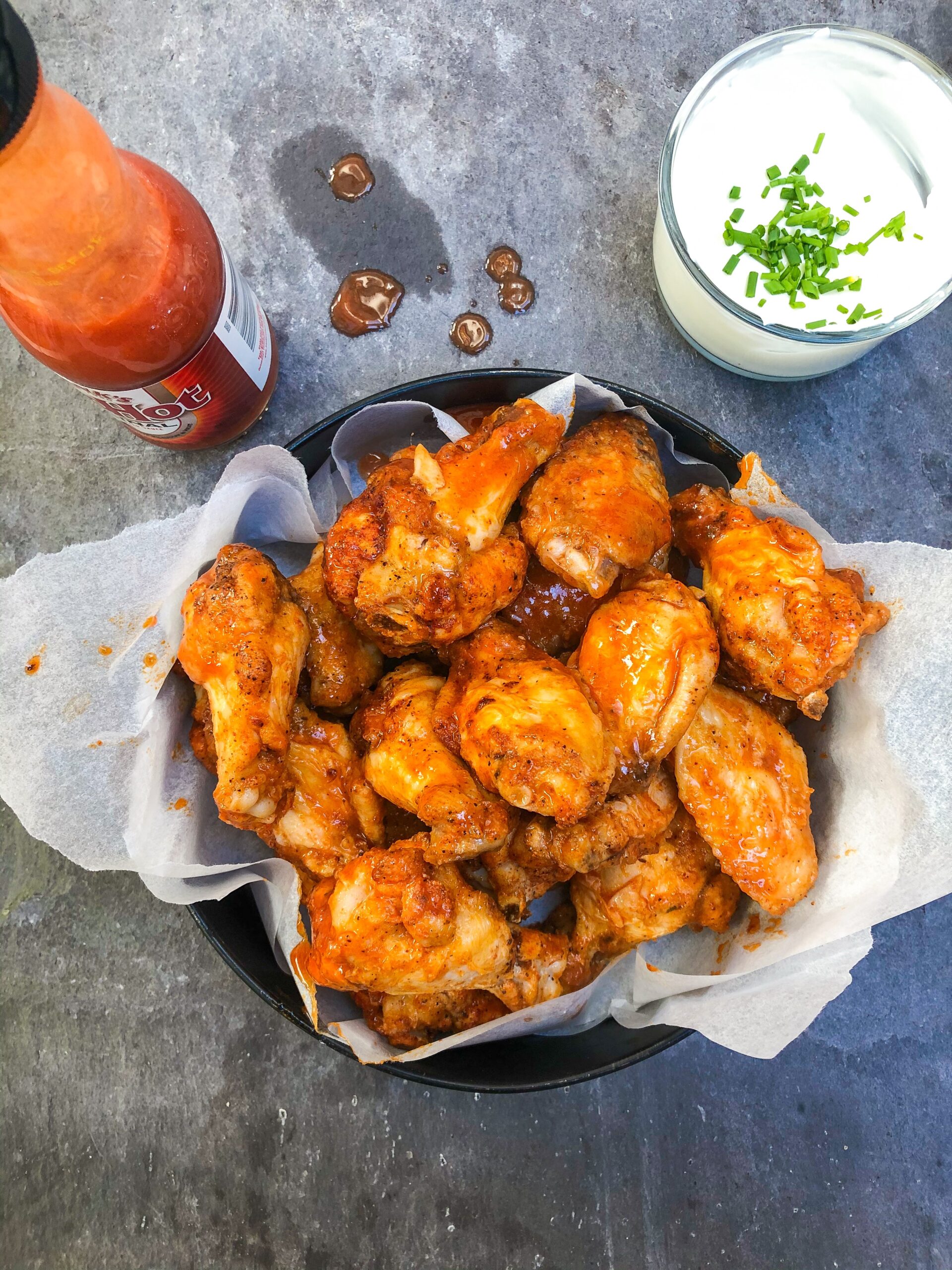
Buffalo Wings – start with the fatty part of a chicken, which gets deep fried. Served with creamy or sweet dipping sauce that’s heavily salted. Usually buffalo wings are pre-fried at a production plant, then fried again at the restaurant. So you have sugar on salt on fat on fat.

Spinach Dip – the spinach is there to provide color and a bit of appeal. Dairy is the main ingredient, combined with high fat and high salt.

Chicken Tenders are so loaded with batter and fat that insiders joke about them being “UFO’s: Unidentified Fried Objects.” Salt and sugar are loaded into the fat.

White Chocolate Mocha Frappaccino at Starbucks: Coffee diluted with a mix of sugar, fat, and salt. With optional whipped cream.

Bloomin’ Onions at Outback: Fried in batter and topped with sauce, for a combination of salt on sugar on fat.

Salads have become a vehicle for eating fat. Creamy based ranch dressing and flavored with cheese chunks, bacon bits, and oily croutons.

Menu Items at the Cheesecake Factory

Tex Mex Eggrolls: Spicy chicken, corn, black beans, peppers, onions, and melted cheese; served with avocado cream and salsa. The avocado alone is high fat, and that’s before any mayonnaise or heavy cream is loaded in. A fried outer layer wraps fat around salt and more fat.

Roadside Sliders: Bite-sized burgers on mini-buns, which suggests a cute little hamburger. But, the food consultant said, there’s salt and fat mixed in the meat, and sugar and salt in the caramelized onions and ketchup. This dish is fat surrounded by layers of sugar on salt on sugar on salt.

Chicken Pot Stickers: Oriental dumplings pan-fried, served with soy dipping sauce. Frying the pot stickers replaces the water in the wrapper with fat. The layer of meat inside is loaded with salt, while the outside layer of sauce is rich with sugar and salt.

Buffalo Blasts: Chicken Breast, cheese, and spicy buffalo sauce all stuffed in a spiced wrapper and fried until crisp; served with celery sticks and bleu cheese dressing. The food consultant just laughed; that’s fat, sugar and salt. The chicken breast allows people to suspend their guilt because it suggests it’s a low-fat dish, and the celery sticks hint at something healthy. But the cheese layer is 50% fat and carries a load of salt, and the buffalo sauce adds a layer of sugar and salt. The dough wrapper is fried and so absorbant that it he called it a “fat bomb.”


Photo by Scott Eckersly on Unsplash

To Sum it Up

Just as chicken becomes the carrier for fat in the Buffalo Blasts, pizza crust can be a carrier for sugar and salt. Caesar salads are built as an excuse to carry fat and salt. French fries are ‘double fried,’ first at the manufacturing plant and then at the restaurant. Burgers are layered with bacon and cheese. Cheese is added to spinach, batter added to fish before frying it, and Mexican food slathered with cheese.

Each one of these foods “becomes more compelling; more hedonic,” said the consultant. He referred to the food industry as “the manipulator of the consumers’ minds and desires.”

(My Note: The same principles apply to the processed foods that line our store shelves and freezer cases!)

You are the Target

Dr. Kessler points out in the book’s Introduction that there’s no shortage of people who lack control in the face of highly palatable food. Food has the power to fixate and control people because we’ve been conditioned by cues that focus our attention, promote anticipation, and build desire.

He points out that the food industry has been remarkably successful at designing foods to capture people. Food manufacturers, food designers, and restaurant owners may not fully understand the science behind the appeal of their foods, but they DO know that sugar, fat, and salt SELL. As surely as if wearing a bull’s-eye on our chests, we are the industry’s targets.

*********************************************************************************************************

So take comfort my friends….overeating and being overweight may not be your fault! Perhaps you’ve fallen prey to the Salt, Sugar, and Fat trap that plagues the majority of Americans, most often without their knowledge.

But now you know better. 

Take action to free yourself from the grip! As mentioned above, I’m not sure what the book prescribes, but I do know that there’s a way out. If you’d like to have a complimentary coaching session, please watch my webinar and then schedule a call. I’d be delighted to talk things over and create s plan, or at least a starting point!

Restaurants don’t HAVE to be totally off limits…but their main offerings sure do.

And beware, because even vegan foods at a restaurant can be loaded with salt, sugar, and fat.

Check out my video on How to Eat Out.


Filed Under: My Blog

Take-aways from the NHA Conference – June 2023

July 3, 2023 By Cyd Notter

My First NHA Conference Did Not Disappoint!

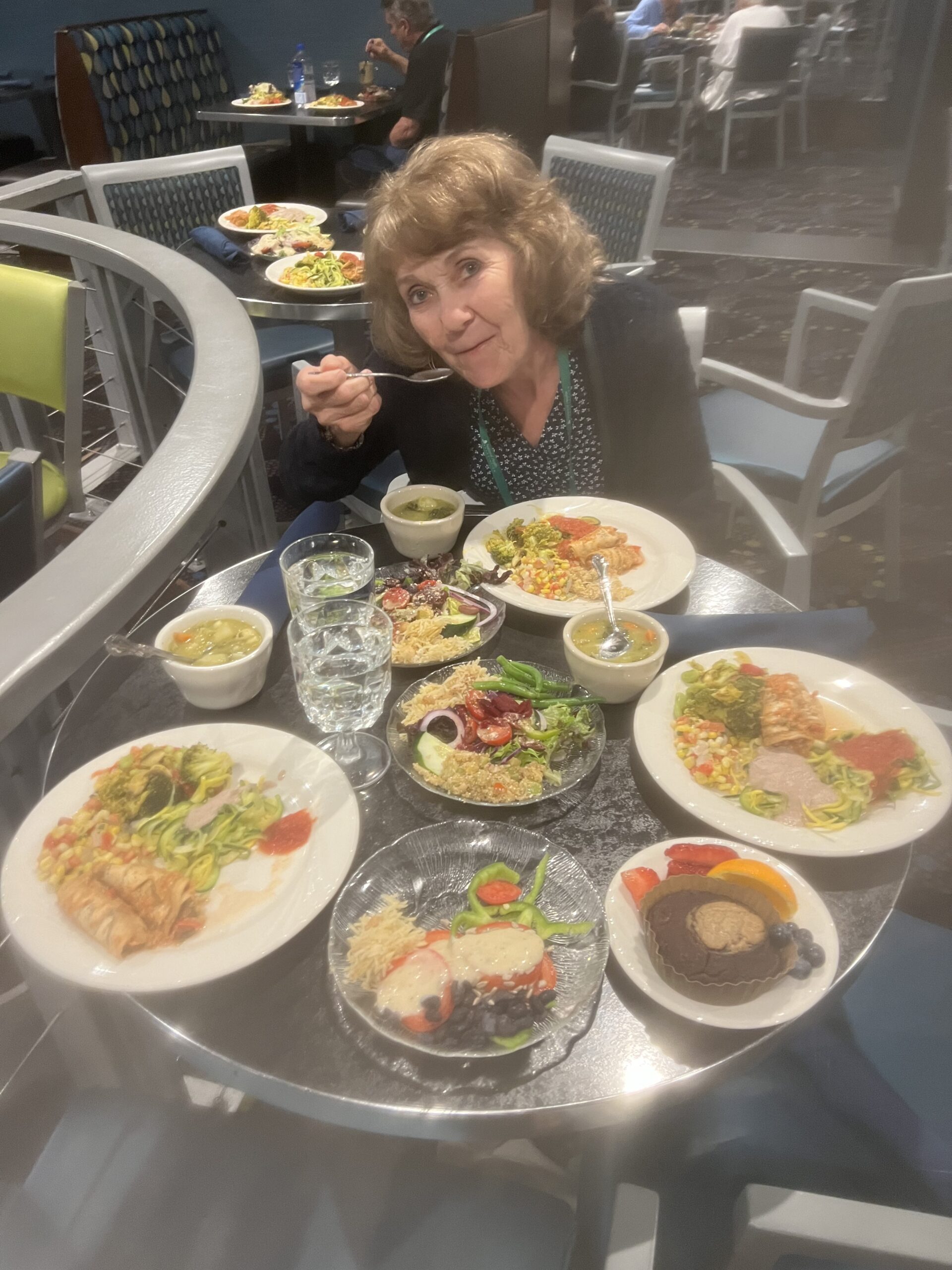
In June 2023, The National Health Association (NHA) held their 75th Anniversary Conference in Ohio and I’m so glad I attended! Four days of education, cooking demos, buffets filled with compliant food, hiking, and getting to meet several on-line friends in person!

The line-up of doctors was amazing, including Drs. T. Colin Campbell, Frank Sabatino, Stephan Esser, Kim Williams, Joel Fuhrman, and Allan Goldhammer; each delivered excellent presentations. Cooking Demos were also provided by Brittany Jaroudi, Tami and Tom Kramer, and the folks at Vitamix.

​​Today I’ll share a few take-aways from Dr. Stephan Esser’s talk regarding health at a cellular level, and how our cellular function impacts the seven INPUTS of health: sleep, emotional poise, water, food, exercise, sunlight, and toxins.

40 Trillions Cells

Dr. Esser talked a lot about cellular regeneration, which is the body’s natural process of replacing or restoring damaged cells and tissues. Our bodies contain 40 TRILLION cells, and each cell goes through a cycle of life (spring, summer, winter, and fall). Four million cells turn over every second! Many die while others come to the front.

Each day, 1% of your body regenerates. Imagine that! Which, according to Dr. Esser, means there’s no such thing as a cheat day. You either feed your tissues with things that will restore and regenerate, or you feed your tissues with things that compromise and inflame them.

Many of us get caught up in thinking that something formulated in a laboratory or available in a bottle is what leads to regeneration of cells. But the REAL heart of regeneration is occurring every microsecond in our bodies. Remember, 4 million cells turn over every single second.

The Seven Inputs of Health

SLEEP – is required for survival and optimal function. Impaired sleep can lead to a 500% increase in cell death, while sleep loss contributes to cell damage and increases the risk of depression, anxiety, and inflammatory diseases. Get 6-10 hours each night, and optimize your environment (mattress, lighting, temperature).

Develop pre-sleep patterns about an hour before bed – no blue lights, take a shower, plan out your steps. Eat smaller quantities at night, you don’t want your body to just ‘digest’ – but to heal and regenerate cells.

WATER – Did you know that 60% of your body is water? Nutrients, blood cells, and stem cells travel in channels of water in the blood stream. Water aids digestion and alkalizes your body. However, there is no good data to suggest that alkaline water is helpful.

FOOD – greatly influences cellular regeneration. We should stop thinking about food as “calories in / calories out” and instead consider that food is “information at the cellular level.” Food alters your cellular activity, and can stimulate cell regeneration which facilitates the healing process. Look at your food and ask “is this facilitating my health?”

Eat big salads before going to less nutrient dense, calorie rich foods. Maximize fruits, and make sure there’s enough COLOR on your plate. Eat a variety of foods, because the more you diversify your pallette, the more you optimize your gut microbiome. Every 30-90 days, try some new fruits or veggies you haven’t tried. And use spices on a daily basis, which are powerful. Also make sure you’re consuming your caloric needs.

Every sip, bite, and swallow has the ability to alter your cell function, cell replication, longevity, and performance. So what will you choose to consume? Fasting is another activity that promotes cell regeneration and slows cellular aging.

EXERCISE – reverses cellular aging, reverses age-related muscle loss, prevents stem cell aging, improves lean muscle mass, accelerates healing and improves blood flow, slows cognitive impairment, and more. Are you exercising the way you need to? Compared to drugs, we know that exercise is “as or more” powerful than most of the common medications used to treat common diseases. Shoot for 150 minutes of cardio each week, plus resistance exercise 3x/week, and flexibility/balance 3x/week.

SUNLIGHT – Reduces depression and anxiety, reduces blood pressure and the risk for cardiovascular disease and autoimmune disease. Sunlight enhances melatonin production, improves sleep, and of course increases our vitamin D production and activation. Get 15-40 minutes each day on the arms, legs, chest, and back, when the sun is greater than 45 degrees above the horizon. Avoid prolonged exposure which could injure your skin.

EMOTIONAL POISE – The state of worry and mental tensions that we experience, whether real or perceived, alters our cellular activity, recovery, and performance. On a scale of 1-10, where is your stress level? Is food or your escape? Netflix? Your computer? Develop 5 healthy coping strategies (exercise, prayer, hobbies, music, nature, baths, etc.) – and according to Dr. Esser, it cannot be Nutella.

TOXINS – Avoid them, remove them! Buy organic produce as much as possible; cook at lower heat and don’t char your veggies; beware of toxins in your water, soaps, shampoos, deodorants (especially those with aluminum), laundry soaps, makeup, sunscreen.

Avoid all of those toxins, including ALCOHOL. Even one glass a day increases the likelihood of volume loss of your brain over time. It also leads to an increased risk of dementia, a 15-20% increase risk of breast cancer, and increases the risk of esophageal cancer, gastric cancer, colon cancer, and more.

Dr. Esser’s Reminder to Us All

Do not overlook the basic elements of health. Don’t look past the capacity of your body to facilitate regeneration at the cellular level when we give it the appropriate input. What we do matters! The choices you make throughout the day will be the biggest predictors of your health for the days and years to come.

Thank you, Dr. Esser, for the informative presentation and these great reminders! It once again shows that we have more control over our health than we may have every imagined! That’s great news! 


Filed Under: My Blog

Oil-Free Tortilla Chips

June 5, 2023 By Cyd Notter

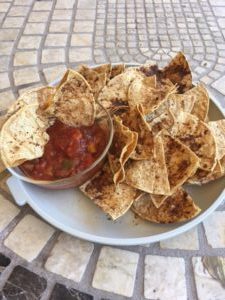
The finished product

It’s Easy to Make Your Own Chips (or shells)

It can be challenging to find oil-free tortilla chips on the market. Sometimes even the “baked” varieties contain unwanted ingredients. But here’s a solution which is easy, cheaper, and it my opinion, much tastier!

  1. Purchase corn tortillas, the type that come in a paper wrapper. The ingredients are typically corn, water, and lime.
  2.  Cut into quarters – or leave them WHOLE –  than lightly brush or spritz with a little water or lime juice.
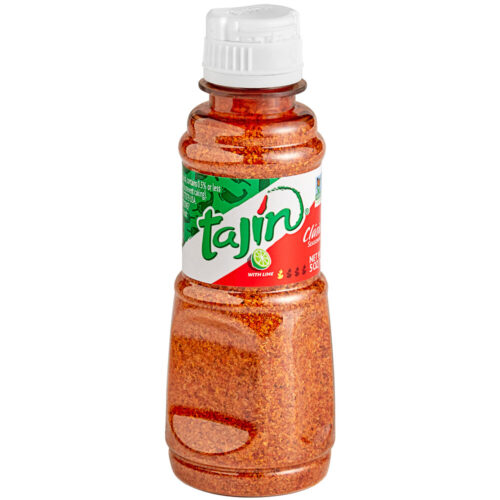
  3. Sprinkle with salt/low salt/salt free seasoning. I personally use the Tajin, a Mexican seasoning found in almost every store. They do have a low-sodium variety.
  4. Bake on a parchment or silpat lined baking sheet at 350 for 13-15 minutes until crispy; they may require more time, it depends on your oven. Keep an eye on them to be sure they’re crispy, but not burnt. They’ll harden up a bit as they sit, too.

Serve the chips with your favorite plant-based nacho sauce or salsa. Or use the whole tortilla shells as the base for tacos, fajitas, or whatever you fancy.

Bon Appetit!


Place quartered tortillas on baking sheet (or leave whole)


Brush or spritz with lime juice


Sprinkle with Low Sodium Salt or Favorite Spice. Bake at 350 for about 15 minutes, until crispy.


Please sign up for my monthly newsletter and receive a free copy of “10 Simple Dessert Smoothies!”

Get more delicious recipes in my book, The “Plan A” Diet: Combining Whole Food, Plant Based Nutrition with the Timeless Wisdom of Scripture. 

Take my free class – 3 Food Mistakes that Lead to Painful Joints, Excess Weight, and Health Problems the Doctors Aren’t Solving. 

Filed Under: My Blog Tagged With: Baked, baked tostadas, Corn Chips, no oil, oil free, plant-based nutrition, The Plan A Diet, Tortilla Chips, whole food plant based

Is it possible to change others?

February 12, 2023 By Cyd Notter

Once you discover the benefits of whole food, plant-based nutrition…

…it’s natural to want to yell it from the roof tops!

When we see permanent weight loss, we decrease or eliminate our meds, and we just feel 100% better each and every day, why wouldn’t we want to share that great news with the people we care about?

Sharing our success stories with others is one thing, but actually inspiring them to make changes themselves can be challenging and frustrating, especially with our family members. If we’re not careful in our approach, others might feel as though we’re imposing our will on them, and they in turn, can become defensive.

I love this quote attributed to Dale Carnegie:

“A man convinced against his will is of the same opinion still.”

In other words, the man is not convinced at all; therefore, no long-lasting change is going to take place.

What’s a better approach?

If you want to inspire change in the people around you, especially those who are eating poorly, not taking care of themselves, or not reaching their potential, Howie Jacobson has some good advice.

I listened in as Rip Esselstyn interviewed Howie about his book “You Can Change Other People.” Howie laid out the following four steps, and I’ll share a few of my notes.

First, shift from a critic to an ally.

The critic gives the message “I know more than you” instead of “I’m here to help you, if you want my help.” Howie suggests we wait for silver platter opportunities (such as when someone complains).

In a nutshell, we should begin by empathizing with that complaint, expressing some type of confidence in the person, and then ask for their permission to talk it through together. Here’s the kicker: we have to be willing for them to say NO.

Second, find an energizing, positive outcome

Wait! Don’t jump right into the problem. Ask the person what they’d like to see happen, and what would be a good outcome for them. What would their life look like if they didn’t have this problem?

Doing so allows us to better understand their motives. LISTEN and ask questions. Set goals around what their life would look like NOW, not somewhere off in the distant future.

Third, find a hidden opportunity

There are different types of opportunities (listen to the interview for Howie’s full explanation). Find the hidden opportunity, and come face to face with any “limiting beliefs” the person might have about themselves. A very common one is “I’ve been on diets before and I fail, I can’t stick to it.”

Fourth, what’s the plan?

Howie states that the difference between insight and action is having a PLAN. So let’s make it real.

Structure a plan, and ask what they’d like to commit to. Here’s an example: every time I have the urge to ‘eat’ my loneliness away, I’m now going to (call someone, read, walk, etc). Ask not only WHAT the plan will be, but WHEN it’s going to begin.

Follow up by asking how confident they are that they’ll follow through with this new plan. You want them to say 10, but if they say 6 or 7, ask what’s getting in their way. The important thing is that they’re taking SOME steps toward the goal. Talk about follow-through, not success. Whatever the plan is, no matter how small, they must commit to it.

We need each other

Howie ends by saying the KEY POINT of the book is that we need each other. These four steps invite other people into relationships. The truth is that change is hard. But community is important and provides a tool for people to work together.

Listen to Howie’s interview HERE. 

Learn more about Howie’s book HERE.

Plans fall apart without proper advice;
    but with the right guidance, they come together nicely.
(Proverbs 15:22, VOICE)


Filed Under: My Blog

Why is Sugar Inflammatory, and How Much is in Our Food?

August 14, 2022 By Cyd Notter

Sugar – One of our biggest addictors

(updated 7/20/2024)

Having a desire for sugar is quite natural. We have built-in taste buds for salt, sugar, bitterness, sour, and fat.

But there are many sources of sugar.

The natural sugars found in whole plant foods such as dates and fruits promote health, while the added sugars found in refined, processed foods promote weight gain, inflammation, insulin resistance, diabetes, heart disease and other major illnesses.

How much sugar are we eating?

Most of  the sugar Americans consume is hidden within processed foods, so people don’t even realize they’re eating it. Added sugars can be tricky to spot on labels because of the many types of sugar manufacturers can use. Here’s a list of 56 of them, if you’re interested.

The World Health Organization suggests getting no more than 5 percent of daily calories from sugar, or about 25 grams (6 teaspoons). The American Heart Association recommends women limit sugar consumption to 6 teaspoons (25 grams) per day and men limit to 9 teaspoons (36 grams) per day.

Those recommendations include ALL types of added sugars: brown sugar, maple syrup, agave syrup, honey, cane sugar, date sugar, coconut sugar, etc.  As it turns out, it’s the AMOUNT of sugar that matters most, as opposed to the TYPE of sugar.

But many people consume far more than the recommendations. The U.S. continues to be one of the highest sugar-consuming countries, with the average American now consuming between 17 – 22 teaspoons of sugar daily! That’s far above the suggested limits.


Adobe Stock Free Image

How does sugar cause inflammation?

The refined sugars found in soft drinks, fruit juice, sweet tea, pastries, desserts, cookies, candy, snack cakes, cereals, and even frozen entrees can stimulate the production of something called “free fatty acids” – which circulate through the bloodstream and trigger both insulin resistance and inflammation in the skeletal system, the liver, and the protective cells that line our arteries.

Sugar also triggers the release of inflammatory cytokine cells; just 40 grams of sugar per day (which is one can of pop) leads to an increase in inflammatory markers, weight gain, and increased LDL cholesterol.

Refined sugars also lead to the excess production of AGE’s – Advanced Glycation End Products – which form when protein or fat combine with sugar in the bloodstream. Having excess amounts of AGE’s harms the body’s cells and promotes oxidative stress and chronic inflammation.

More inflammatory issues…

Sugar can also contribute to “leaky gut” – another name for Intestinal Permeability. Leaky gut occurs when the lining of the small intestine becomes damaged, causing undigested food particles, toxins, and bacteria to ‘leak’ through the lining and into the bloodstream. This process triggers inflammatory reactions that cause problems in the digestive tract and beyond.

Lastly, sugar greatly contributes to weight gain, which in and of itself contributes to inflammation because our own fat tissues release those inflammatory cytokine cells mentioned earlier.

As you can see, processed, refined sugar is rated as a highly-inflammatory food for a number of reasons! And sugar is added to pretty much ALL of our packaged foods.

Adobe Stock Free Image

How much sugar is in that item?

Here’s a quick label tip:  When looking at a product’s Nutrition Facts label, remember that 4 grams of sugar = 1 tsp.

Find the number of sugar grams, and divide by 4. That’s the equivalent of how many teaspoons of sugar the product contains per serving.

So a soda containing 41 grams of  sugar would contain 10 teaspoons of sugar (41 divided by 4 = roughly 10).  Eye opening, right?

Be sure the check the serving size, too. If a product contains 12 grams of sugar per serving, and the packages has TWO servings, you’ll be ingesting 24 grams of sugar if you eat the whole package.

Note: Products can contain natural sugars (such as fruit), added sugars, or both. The new labeling laws released in 2022 now require the Nutrition Facts Label to list the added sugars separately.  So look for the “added sugars.” And then read the ingredient list to discover the SOURCE of the sugars.

Do you struggle with sugar?

Sugar is definitely a trigger food, and many people have struggled with it, myself included. It’s highly addictive because it triggers the release of dopamine – a chemical in our brain’s pleasure center. Sadly, we send our children down this sugary addictive path at a very young age, even as babies.

If you know or suspect you have a sugar addiction, there are several things to consider. Start by examining yourself and your routine; be honest with yourself about your sugar intake. Next figure out what your plan will be. There’s no “one-size-fits all” strategy. Here are a few things to consider as part of your plan, based on your personality, lifestyle, and the realistic sustainability of each idea:

  1. Eliminate added sugars altogether; use only bananas, dates, and other fruits as a sweetener.
  2. Wean off added sugars slowly, until you reach the goal of ZERO.
  3. Limit added sugars to the recommendations of 6 tsp/day (25 grams) for women, 9 tsp/day (36 grams) for men. Note: You’ll have to track this closely! There’s sugar in ketchup, BBQ sauce, cereals, frozen entrees, and just about every packaged food.
  4. Be mindful of what you’re eating. This doesn’t mean becoming obsessive, but it does require you to pay attention.
  5. Know and AVOID your sugary trigger foods – the foods that could send you on a binge.
  6. Use a multi-approach method. For example, Dr. Neal Barnard’s book, Breaking the Food Seduction, lays out a 7-step plan.
  7. Eat balanced meals and don’t allow yourself to get ravenously hungry. Include starches (potatoes, beans, rice, corn, squash).
  8. Change your routine. Our habits often trigger us to eat, whether we’re hungry or not. Switch up your patterns, especially if it will keep you out of the kitchen.
  9. Exercise. Go for a walk or do some stretching.
  10. Focus on your motivations. WHY do you want to cut back on sugars? Health reasons? Weight issues? Write down this statement:            I want to stop eating so much sugar so that ________. Fill in the blank, and post this on the fridge.
  11. Sanitize your kitchen from candy and sweets. Ask family members to store their indulgences elsewhere or out of sight.
  12. Keep grapes, cherries, and cut-up melon in the fridge for snacks. Keep fruit-based nice cream in the freezer.

For some people, changing a few lifestyle parameters will be enough to kick the sugar habit. But others may need to employ stronger measures. Much depends on your personal situation. For example, if emotional eating is driving you to sugary foods in order to cope, then simply abstaining from sugar may not be enough. Discovering alternative methods to soothe yourself emotionally when life gets stressful will be part of the process as well.

Adobe Stock Free Image

You don’t have to give up Sweet Treats!

The good news is you do NOT have to give up the sweet flavors you enjoy. But you do have to make good choices regarding your sugar intake if you want to achieve and maintain a healthy body.

Fruits (bananas, mangoes, cherries) and DATES are the absolute best sweeteners that can be used to make a variety of desserts! From cobblers, pies, puddings, and shakes, to banana splits, cupcakes, cookies, and muffins. Go to my resource page to find my recommended recipe websites.

And you can click here for a free copy of “10 Simple Dessert Smoothies” which contain ZERO refined sugar – enjoy them guilt-free!

For more details on refined sugars, plus information on artificial sweeteners, natural sugars, and acceptable sugar substitutes, please check out my class titled “Inflammation and Your Diet.”

Use the coupon code TAKE OFF50 to get 50% off the class price.


It’s not smart to stuff yourself with sweets…
(Proverbs 25:27a, MSG)

Filed Under: My Blog Tagged With: added sugar, grams of sugar, inflammation, refined sugar, sugar, sugar problems, unhealthy sugar

  • « Previous Page
  • 1
  • 2
  • 3
  • 4
  • 5
  • …
  • 48
  • Next Page »
Book Cover

Click here for details

Find me elsewhere

  • Email
  • Facebook
  • Instagram
  • LinkedIn

Privacy Policy · Legal Notice & Disclosures

Copyright © 2026 · Cyd Notter · Site by WebByMike.com · Admin · Log in

FREE Training Class 

3 Food Mistakes Which Lead to Painful Joints, Extra Pounds, and Health Problems the Doctors Aren't Solving


Yes, I want to know more!
 
 
No, I'll pass for now
 

Come learn 3 things you can begin implementing today!