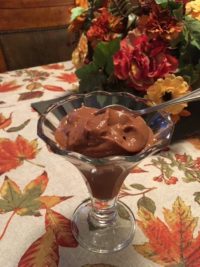
Cyd Notter

Nutrition Educator/ Author/ Coach

  • Home
  • Welcome
  • About Cyd
  • The “Plan A” Diet™
    • The “Plan A” Diet™
    • Free 45-minute Strategy Session
    • The 21-Day Meal Plan
    • Easy Meals and Desserts
    • The ‘Plan A’ Diet™ Food Pyramid
    • The Plan B Transition Approach
    • Our Mission & Philosophy
    • Why Go Plant-Based?
    • What’s Really True?
    • The story behind the book
  • Courses
  • About the Book
  • Contact Us
  • Articles of Interest
    • Food Topics
      • How Are Soy Curls Made
      • What’s the big deal about fiber?
      • Artificial Sweeteners – What you should know
      • Which food has 8x more cholesterol than beef?
      • 3 Big Reasons to Include Berries in Your Diet
      • Success Tips for Changing Your Diet
      • Suffering from Carbophobia?
      • What about alcohol?
      • The Slippery Slope of “Eating in Moderation”
      • A Nutrition Pop Quiz
      • Protein and Calcium
      • Aren’t Starches Fattening
      • Oils
        • Coconut Oil – Yes or No
        • Oils – what you should know
      • Eating Enough Fruits and Veggies?
      • Do You Have a Holiday Game Plan?
      • Making Only One Change?
      • America’s Love Affair with Bacon
      • Is it Safe to Eat Soy?
      • Are gluten-free diets for everyone?
      • Planning to diet this January? Do this instead.
      • Fabulous Flax Seed Has it All
      • How Important is the Glycemic Index?
      • Eating Out at Restaurants or Parties
      • Healthier Halloween Options
    • Health Topics
      • Don’t Rust Out – Get Your Antioxidants
      • “The Cheese Trap” – Plus the Confusing 2025 Dietary Guidelines
      • Common Barriers to Change
      • Omega Fatty Acids
      • Inflammatory and Anti-Inflammatory Foods (Printable List)
      • What is Vitamin B12 and how much should I take?
      • Why exercise?
      • 5 Reasons to Skip the Charcuterie Boards
      • MEN: Prostate Stats You Should Know
      • The Aluminum in Our Foods is Strongly Linked to Dementia
      • Diet and Gallbladder Disease
      • Infants are Being Fed Junk Food by Their First Birthday
      • 4 Things Necessary for a Successful, Healthy Diet
      • Habits – Good or Bad?
      • Is it too late to start eating healthy?
      • Making Small Changes but Expecting Big Results
      • Family and Social Pressure
      • Genes, Schmenes – It’s most likely the food
      • Is a plant-based diet safe for children?
      • Which Processed Meats Should We Avoid?
      • Gut Bacteria and Our Diets
      • Diet & Breast Cancer Prevention
      • Statins – Don’t Believe Everything you Read
      • Diabetes – “Manage” or Reverse?
      • The Health Benefits of (a little) Unprotected Sun
      • Making Changes Stick
      • Evaluating Research
      • Vitamin D and Sunshine
      • Featured in Health Science Magazine
    • Faith Related
      • Addressing Biblical Objections to a Plant-Based Diet
      • The mathematical odds that Jesus is who He said He is…
      • Poem: Lessons from a Bike Ride
  • Recipes
    • Dinosaur Kale Slaw
    • Easy, Fat-free Hummus
    • Chocolate Sweet Potato Frosting
    • Southwest Burgers with Low-fat Green Chile Sauce
    • BLT Hummus Dip
    • Date-Sweetened Berry Jam
    • Strawberry Rhubarb Crisp
    • Berry Rice Cake Bites – by Vicki Brett-Gach
    • Pasta Fagioli Stew
    • Iced Beverages
    • Black Bean Quinoa Salad with Tangy Date-Lime Dressing
    • Easy Braised Onions & Green Beans
    • Best Blueberry Pancakes
    • Vegan Sausage Patties
    • Zucchini Bean Burritos
    • Minestrone Soup (Easy!)
    • Gingerbread Biscotti
    • Instant Pot Pineapple Chili
    • No-Flour Corn Muffins
    • BLT Hummus Dip
    • Cheesy-Beany Dip
    • BBQ Soy Curls
    • Klunkers Kitchen Potato Salad
    • Magic Crust Pumpkin Pie
    • French Toast
    • Carrot Cake with Glaze
    • Blueberry Oat Bran Muffins
    • Choco-Mint Nice Cream & Sauce
    • Homestyle Squash and Pinto Beans
    • Chocolate Orange Nice Cream (and Sauce)
    • Easy Instant Pot Risotto
    • Easy Meals and Desserts
    • Recipe Links
    • Pumpkin Raisin Muffins
    • Magic Crust Pumpkin Pie
    • Roasted Veggie Pasta
    • Zucchini Muffins
    • Fat-free Green Chile Sauce
    • Tofu Lettuce Wraps
    • Creamy Chickpea Pot Pie Soup
    • BLT Hummus Dip
    • Klunkers Kitchen Potato Salad
  • Upcoming Events
  • Resources
  • Testimonials
    • Amanda G. – Loses Digestive Issues and 115 lbs.
    • Tim P. – Off all 8 Meds!
    • Cindi R. – Reversed Blocked Carotid
    • Doug M. – Doc says “Cured!”
    • Denise V. – At Peace with Food and Body Image
    • Linda Z. – Autoimmune Skin Disorder now Dormant
    • Olga A. – Improved Cognitive Function
    • Kim C. – Relief from “Getting Older”
  • Blog
  • Media Kit
  • Coaching Services

Chocolate Ice Cream from Squash?

October 25, 2018 By Cyd Notter

Are you ready to try something completely different and EASY?

When the Engine 2 Team sent out a blog post showing Five Plant-Strong Squash Recipe ideas, I was eager to look into it because I love to bake squash in the fall. I was NOT expecting to see a recipe for Chocolate Ice Cream, however!

Just five simple ingredients. A bag of frozen squash, 1/4 cup unsweetened cocoa (or cacao) powder, 1/4 cup almond milk, 1/4 cup maple syrup, and 1 tsp vanilla. Put all into a high-speed blender, using the tamper to mix the ingredients together until it reaches a sorbet consistency.
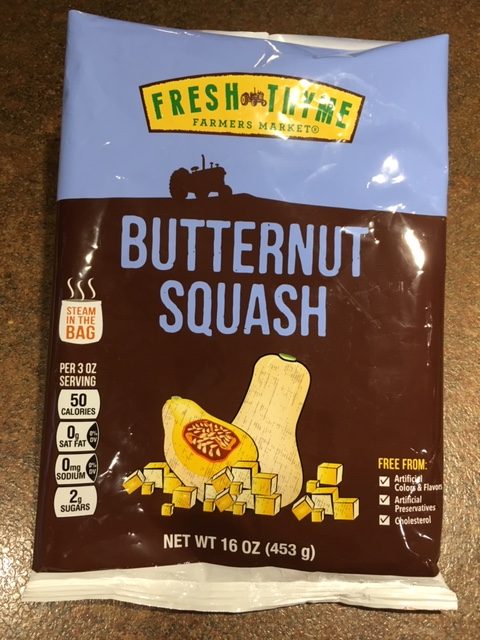
Don’t do what I did, though. Using a Vitamix, it seemed like the texture wasn’t getting very smooth and impatience got the best of me.  I added more almond milk when I shouldn’t have, and it affected the consistency. It turned out a bit runny but still good. Lesson learned. Give the blender all the time it needs to process everything smooth, which is only a few minutes.

On a scale of 1-10, I’d give this recipe an 8 for flavor, and an 8 for texture (but my fault). My hubby liked it more than I did. Will I make it again? YES. Low-fat, nutritious chocolate ice cream in about 5 minutes? I’m in.

Butternut squash is very low in Saturated Fat, Cholesterol, and Sodium. It is also a good source of Vitamin C and Folate and a very good source of Vitamin A and Manganese.
Leave a reply.

Filed Under: My Blog Tagged With: Chocolate, ice cream, low fat, plant-based, Squash, vegan, vegetarian, whole food plant based

Probiotics – Yes or No?

March 17, 2018 By Cyd Notter

Dear Coach:  I have some stomach issues and I’m hearing a lot about our “gut microbiome” these days.  What does it all means, and does food factor into it?  What is your opinion of probiotics?  Thank you, C.R.

Dear C.R., You’re right that there’s a lot of buzz lately about the health of our guts.  The gut microbiome is the subject of much new research, and we now know which foods are beneficial to our gut, and which foods can lead to problems.

Read about those foods here.


You made all the delicate, inner parts of my body and knit them together in my mother’s womb.

(Psalm 139:13, TLB)

Filed Under: My Blog Tagged With: diet and gut health, fiber, food and gut health, Gut, Gut Microbiome, plant-based, prebiotics, probiotics

Addressing Biblical Objections to a Plant-Based Diet

February 20, 2018 By Cyd Notter

Diet is a Touchy Subject.

I discovered long ago that diet beliefs can be very divisive indeed. Together with the hot topics of politics and religion, our food choices can rank quite high as a personal issue to be handled with care.

I realize that most of you have preconceived beliefs about what constitutes a healthy diet, and I’ve heard some doozies in my day. But because The ‘Plan A’ Diet combines the two tenets of “diet and religion” into one conversation, many of you will write to me about passages that seem to promote or endorse meat eating.

Here I address some of the passages I hear most often, along with my response.

See how good and pleasant it is when brothers,
and sisters live together in harmony! (Psalm 133:1, GW)

Filed Under: My Blog Tagged With: bible, biblical, diet, Meat eating, objections, Peter's Dream, plant-based, religion, scripture, vegan, vegetarian, whole food plant based

Q: How is it possible to weigh less by eating more?

November 3, 2017 By Cyd Notter

A:  By following the principles of Calorie Density.

I sat in on a great webinar last week – hosted by Dr. Matt Lederman – which was a much needed reminder of the Calorie Density factor of food.  Have you heard about it?

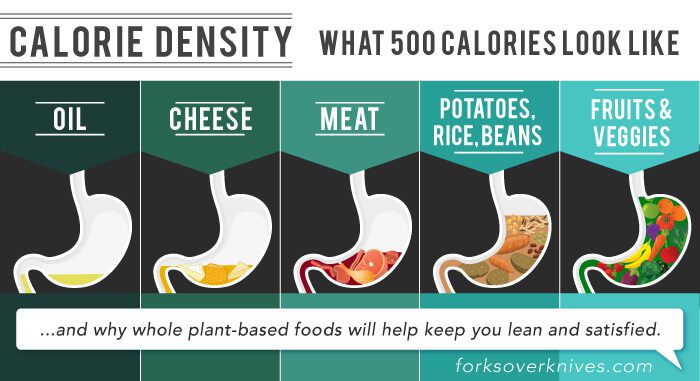
Simply stated, Calorie Density is the number of calories in a given weight of food (usually one pound).  So naturally, foods with a low amount of calories are considered to have a low Calorie Density, and high calorie foods have a high Calorie Density.

It’s been said that a calorie is a calorie is a calorie.  But, equal calorie foods are NOT the same.  People continue to eat until the stomach’s stretch receptors indicate fullness.  Low calorie density foods (fruits, veggies, legumes, starches) will STRETCH the stomach in order to reach satiety and turn off those hunger signals at the appropriate time.  But with high calorie density  foods, a person will need to consume many more calories in order to stretch the stomach and reach satiety.

For example:  Which would fill you up more?  2 chicken nuggets or 1.25 cups of vegetable lentil stew?  Both are 100 calories.  How about 2 TBS of butter versus 3 cups of grapes?  Both are 200 calories.

That’s why diet plans which count calories or rely on smaller portions of the same unhealthy foods don’t work.  The stomach isn’t stretched to satiety and people feel hungry, making such diets unsustainable.  Here’s a great illustration of Calorie Density:

calorie density

Another cool thing is that not only do we get to eat delicious foods with much fewer calories, but as Calorie Density goes down, NUTRITION goes up!  Fiber, vitamins, minerals, anti-oxidants and phytonutrients abound in plant foods.  The more plant foods we consume to crowd out the meat, dairy and oils, the healthier we will be!

Good News:  Each day, people tend to eat the same amount of food by weight, typically 3-5 pounds of food.  With every meal we eat, we get to CHOOSE what those pounds of food will contain calorically and nutritionally!  We get to enjoy large and filling portions by choosing foods that are 500 – 570 calories per pound, which will shut off the hunger signals and make it easy to achieve and maintain an optimal weight.  Don’t restrict you food, just stop eating when you’re satisfied.

Here are some other tips from the webinar (as well as my own):

  • PRELOAD each meal with a salad, soup or fruit, which should constitute about half of your meal.  Preloading begins the stomach stretch, resulting in 7% – 20% fewer calories per meal.  Other studies confirm that simply eating an apple or a salad before a meal will cut down on the total number of calories consumed.
  • The other half of the meal should  include whole complex carb starches (potatoes, brown rice, corn, oats, quinoa, squash, beans and legumes).  Whole grain pasta works too.  These two categories of food (the fruits/veggies and the starches) can be combined once you get the hang of the half and half ratios.  For example, rice with veggies or fruit, oats with berries, pasta w/roasted veggies, etc.)
  • High calorie plant foods (nuts, seeds, avocado, soy foods) or slightly processed healthy foods (corn tortillas, lasagna noodles, crackers, cereals, non-dairy milks) are optional and should be limited to 1-2 per day, if at all.
  • The American Cancer Institute and the World Cancer Research Fund recommend an average calorie density of 567 calories per pound.
  • Americans take in about 400 calories per day from liquids (soda, juices, sweetened beverages).  Drink water.
  • Oils are the most calorically dense food on the planet, and the world’s most obese country (USA) should not be advised to consume them!  Get the added oils out of your diet.  They’re fattening AND health damaging.  All the fats you need are supplied through eating whole plant foods.

If you’d like more information on Calorie Density, you may enjoy reading this article by Jeff Novick, MS, RD.

     Any temptation you face will be nothing new. But God is faithful, and He will not let you be tempted beyond what you can handle. But He always provides a way of escape so that you will be able to endure and keep moving forward.       (1 Cor. 10:13, VOICE)

Filed Under: My Blog Tagged With: calorie density; whole food plant based; calorie chart;, lose weight; eat more, plant-based, satiety, stomach, stomach stretch

Dr. Lim Discusses Benefits and Mistakes of WFPB Diet

August 20, 2017 By Cyd Notter

Dr. Lim is the Medical Director for the McDougall Program in Santa Rosa, CA.  We met him at the McDougall conference last year and were very impressed with his personal story, his intelligence and credentials, his over-achiever accomplishments, and his vision for the future of health care.

In the short video below, Dr. Lim discusses various topics, including why he quit the Paleo diet, mistakes people make when switching to a whole food, plant-based diet (WFPB), and the biggest health misconceptions being promoted right now.

It’s only about 11 minutes – well worth the watch!

Don’t become so well-adjusted to your culture that you fit into it without even thinking.  Instead, fix your attention on God.  You’ll be changed from the inside out.  (Romans 12:2a – MSG)


Filed Under: My Blog Tagged With: Benefits, dangers, Dr. Anthony Lim, McDougall, Misconceptions, Mistakes, Paleo, plant-based, Quit Paleo, Romans 12:2, The Plan A Diet, vegan, whole food

  • « Previous Page
  • 1
  • 2
  • 3
  • 4
  • 5
  • 6
  • 7
  • Next Page »
Book Cover

Click here for details

Find me elsewhere

  • Email
  • Facebook
  • Instagram
  • LinkedIn

Privacy Policy · Legal Notice & Disclosures

Copyright © 2026 · Cyd Notter · Site by WebByMike.com · Admin · Log in

FREE Training Class 

3 Food Mistakes Which Lead to Painful Joints, Extra Pounds, and Health Problems the Doctors Aren't Solving


Yes, I want to know more!
 
 
No, I'll pass for now
 

Come learn 3 things you can begin implementing today!