Cyd Notter

Nutrition Educator/ Author/ Coach

  • Home
  • Welcome
  • About Cyd
  • The “Plan A” Diet™
    • The “Plan A” Diet™
    • Free 45-minute Strategy Session
    • The 21-Day Meal Plan
    • Easy Meals and Desserts
    • The ‘Plan A’ Diet™ Food Pyramid
    • The Plan B Transition Approach
    • Our Mission & Philosophy
    • Why Go Plant-Based?
    • What’s Really True?
    • The story behind the book
  • Courses
  • About the Book
  • Contact Us
  • Articles of Interest
    • Food Topics
      • How Are Soy Curls Made
      • What’s the big deal about fiber?
      • Artificial Sweeteners – What you should know
      • Which food has 8x more cholesterol than beef?
      • 3 Big Reasons to Include Berries in Your Diet
      • Success Tips for Changing Your Diet
      • Suffering from Carbophobia?
      • What about alcohol?
      • The Slippery Slope of “Eating in Moderation”
      • A Nutrition Pop Quiz
      • Protein and Calcium
      • Aren’t Starches Fattening
      • Oils
        • Coconut Oil – Yes or No
        • Oils – what you should know
      • Eating Enough Fruits and Veggies?
      • Do You Have a Holiday Game Plan?
      • Making Only One Change?
      • America’s Love Affair with Bacon
      • Is it Safe to Eat Soy?
      • Are gluten-free diets for everyone?
      • Planning to diet this January? Do this instead.
      • Fabulous Flax Seed Has it All
      • How Important is the Glycemic Index?
      • Eating Out at Restaurants or Parties
      • Healthier Halloween Options
    • Health Topics
      • Common Barriers to Change
      • Omega Fatty Acids
      • Inflammatory and Anti-Inflammatory Foods (Printable List)
      • What is Vitamin B12 and how much should I take?
      • Why exercise?
      • 5 Reasons to Skip the Charcuterie Boards
      • MEN: Prostate Stats You Should Know
      • The Aluminum in Our Foods is Strongly Linked to Dementia
      • Diet and Gallbladder Disease
      • Infants are Being Fed Junk Food by Their First Birthday
      • 4 Things Necessary for a Successful, Healthy Diet
      • Habits – Good or Bad?
      • Is it too late to start eating healthy?
      • Making Small Changes but Expecting Big Results
      • Family and Social Pressure
      • Genes, Schmenes – It’s most likely the food
      • Is a plant-based diet safe for children?
      • Which Processed Meats Should We Avoid?
      • Gut Bacteria and Our Diets
      • Diet & Breast Cancer Prevention
      • Statins – Don’t Believe Everything you Read
      • Diabetes – “Manage” or Reverse?
      • The Health Benefits of (a little) Unprotected Sun
      • Making Changes Stick
      • Evaluating Research
      • Vitamin D and Sunshine
      • Featured in Health Science Magazine
    • Faith Related
      • Addressing Biblical Objections to a Plant-Based Diet
      • The mathematical odds that Jesus is who He said He is…
      • Poem: Lessons from a Bike Ride
  • Recipes
    • Dinosaur Kale Slaw
    • Easy, Fat-free Hummus
    • Chocolate Sweet Potato Frosting
    • Southwest Burgers with Low-fat Green Chile Sauce
    • BLT Hummus Dip
    • Date-Sweetened Berry Jam
    • Strawberry Rhubarb Crisp
    • Berry Rice Cake Bites – by Vicki Brett-Gach
    • Pasta Fagioli Stew
    • Iced Beverages
    • Black Bean Quinoa Salad with Tangy Date-Lime Dressing
    • Easy Braised Onions & Green Beans
    • Best Blueberry Pancakes
    • Vegan Sausage Patties
    • Zucchini Bean Burritos
    • Minestrone Soup (Easy!)
    • Gingerbread Biscotti
    • Instant Pot Pineapple Chili
    • No-Flour Corn Muffins
    • BLT Hummus Dip
    • BBQ Soy Curls
    • Klunkers Kitchen Potato Salad
    • Magic Crust Pumpkin Pie
    • French Toast
    • Carrot Cake with Glaze
    • Blueberry Oat Bran Muffins
    • Choco-Mint Nice Cream & Sauce
    • Homestyle Squash and Pinto Beans
    • Chocolate Orange Nice Cream (and Sauce)
    • Easy Instant Pot Risotto
    • Easy Meals and Desserts
    • Recipe Links
    • Pumpkin Raisin Muffins
    • Magic Crust Pumpkin Pie
    • Roasted Veggie Pasta
    • Zucchini Muffins
    • Fat-free Green Chile Sauce
    • Tofu Lettuce Wraps
    • Creamy Chickpea Pot Pie Soup
    • BLT Hummus Dip
    • Klunkers Kitchen Potato Salad
  • Upcoming Events
  • Resources
  • Testimonials
    • Amanda G. – Loses Digestive Issues and 115 lbs.
    • Tim P. – Off all 8 Meds!
    • Cindi R. – Reversed Blocked Carotid
    • Doug M. – Doc says “Cured!”
    • Denise V. – At Peace with Food and Body Image
    • Linda Z. – Autoimmune Skin Disorder now Dormant
    • Olga A. – Improved Cognitive Function
    • Kim C. – Relief from “Getting Older”
  • Blog
  • Media Kit
  • Coaching Services

Aren’t Potatoes Fattening?

August 20, 2025 By Cyd Notter

A few years ago, while at the grocery store check-out line, the cashier made the two following comments:

  1.  As he scanned and examined a bag of lentils, he actually asked me if this was a food we eat for lent (seriously). I explained what a lentil is……he had obviously never heard of them.
  2. After scanning all of my groceries, he commented “boy, the only thing fattening you have here is that bag of potatoes.” I politely remarked that potatoes aren’t fattening, but when he made another similar comment, I explained that it’s the TOPPINGS that make potatoes fattening, not the potato itself.  I don’t think it sank in.

His comment about potatoes led me to shed some light on the poor little potato, often blamed for everything from being a dreaded, fattening carb to having too high of a glycemic index.

Safe for Diabetics?
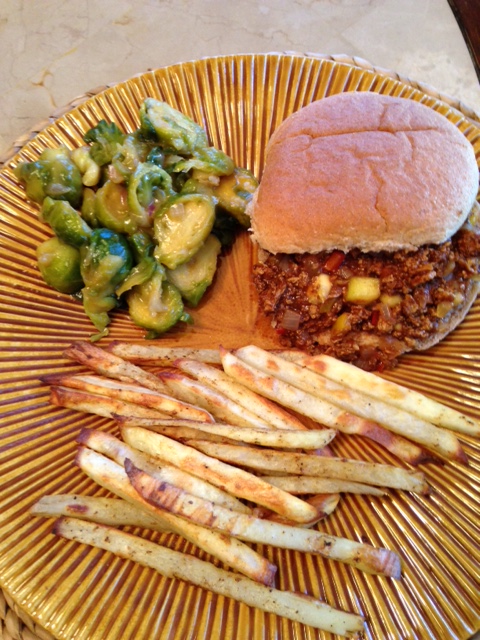
Sloppy Joes & Fit Fries

Both potatoes and sweet potatoes are nutritious, delicious tubers which can be made into awesome main entrees or side dishes. And both fit into a healthy diet no matter if your goal is weight loss, health improvement, or both.

And yes, potatoes are SAFE for diabetics; in fact, a whole-food, plant-based diet including starches is able to REVERSE Type 2 Diabetes. Why ‘manage’ diabetes when we can mostly likely get rid of it? Even the American Diabetes Association agrees that a plant based diet is more effective at lowering A1C than the ADA guidelines.

Complex carbs such as potatoes are the body’s main source of energy, and our brains also depend on such carbs (remember, there’s a BIG difference between complex carbs such as whole potatoes verses refined carbs such as French fries and potato chips).

When Do Potatoes Become Fattening?

It’s a common misconception that starchy foods such as potatoes are fattening. Potatoes are a nutritious, calorie-dilute, complex carbohydrate – and only 1% of its calories come from fat.

UNTIL … we fry that potato in grease to make French fries (46% fat), or convert that potato into potato chips (56% fat). Or until we smother that potato with butter, sour cream, cheese sauce, and bacon bits – which adds a huge dose of fat (and cholesterol).

As you can see, the potato at 1% fat isn’t adding to our weight struggles. It’s when we convert that complex carb potato into a REFINED junk food carb that our troubles begin.

Are Starches Converted to Fat?

People often believe that the sugars in starches are readily converted to fat, which is then stored in our bellies, hips and butts. But while it’s true that complex carbs break down into simple sugars, these sugars are absorbed into the blood stream and transported to trillions of cells throughout the body for energy.

Adobe Stock Free Image

Some reasons why potatoes aren’t fattening (from Dr. McDougall’s newsletter):

  • 1)  Potatoes Aren’t Calorie Dense. Potatoes are at the bottom of the list of calorie dense foods, at one calorie per gram. By comparison, sugar, cheese, and beef are about 4 calories per gram and vegetable oils are 9 calories per gram.
  • 2)  The Fat You Eat Is the Fat You Wear.  Potatoes are 1% fat – so there are virtually no fat calories to wear (by comparison, cheese can be 70% fat and butter is 100% fat).
  • 3)  Carbohydrate Satisfies the Hunger Drive. Potatoes are at the top of the carbohydrate list with about 90% of the calories from appetite-satisfying carbohydrates. (On the other hand, beef, fish, chicken, butter, and olive oil are a few examples of commonly consumed foods with no carbohydrates).

All bets are off if you top your potatoes with butter, margarine, sour cream, cheese, bacon bits or other added fats.  It’s those high-fat toppings which contribute to the increase in heart disease, diabetes, arthritis, dementia and other chronic disease – not the potato itself.

Fortunately, there are many healthy toppings we can choose, such as salsa, soups, chilies, dressings, low-fat guacamole, or this delicious Golden Gravy.

Image on Vecteezy.com

Yummy Potato Recipes

There are hundreds of healthy potato recipes out there……here are just a few of our favorites:

Fat-Free Cheese Sauce  – great for Cheesy/Broccoli Baked Potatoes!

Sweet Potato Broccoli Cheese Soup

Sweet Potato and White Bean Curry Soup

Instant Pot Garlic Mashed Potatoes

Fit Fries

Potato Salad

Cocoa Black Bean Chili with Roasted Potatoes

Yukon Golds topped with Mushroom Gravy

Bottom Line

Potatoes are a nutritious, satisfying comfort food which contain vitamins, minerals, fiber, anti-oxidants and phytochemicals (with no cholesterol or fat) – and we can enjoy them freely when they are prepared correctly without the added junk.

Pass the gravy!

**************

To learn more about calorie density, watch this free webinar “3 Food Mistakes Which Lead to Painful Joints, Extra Pounds, and Health Problems the Doctors Aren’t Solving.”

Filed Under: My Blog Tagged With: diabetes, fattening, plant-based, potato toppings, potatoes, Recipes, sweet potatoes, vegan, whole food

Diet and the Alzheimer Gene

June 15, 2022 By Cyd Notter

(Originally Published 2016; Updated 6-15-22.)

Dear Coach:  One of my parents died with Alzheimer’s disease.  I plan to get tested to see if I have the gene but wanted to know if you could recommend any foods to help prevent Alzheimer’s.   Anonymous

Dear Anon:  My sincere condolences to you on your loss.  It’s a real struggle when a loved one develops Alzheimer’s; I applaud you for being concerned about your own cognitive function. I know that you’re not alone in your concerns; the class that I offer on this topic fills up each time it’s offered.

health risk There is good news – you are not a helpless victim without options. There is MUCH you can do to lower your risk. But first let’s take a look at the Alzheimer’s gene.  Back in the 1990’s, the ApoE4 gene was discovered to be a major player in the susceptibility of Alzheimer’s.

The ApoE4 gene is the principal carrier of cholesterol in the brain. If someone inherits the gene from either parent, their risk of getting the disease triples (this affects about 15% of the U.S. population). If someone inherits the gene from both parents, their risk increases nine-fold (this affects about 1 in 50 people).

Research reveals DIET trumps genes

To date, the people in Nigeria have the highest frequency of the ApoE4 gene in the world. Yet they have some of the LOWEST rates of Alzheimer’s. This paradox is explained by the grain and vegetable diet of the Nigerians, which results in low cholesterol levels that have appeared to trump their genes.

Cholesterol encourages the production of beta-amyloid (plaques that lie between brain cells). People whoplaque buildup have the ApoE4 gene absorb cholesterol more easily from their digestive tracts compared with people who don’t have the gene. They tend to have higher cholesterol levels and higher risk of both heart disease and stroke.

In a 20-year study of 1,000 people, researchers reported in the Annals of Internal Medicine Journal that having the ApoE4 gene doubled the odds of Alzheimer’s, but high cholesterol nearly tripled the threat.

So if the greatest threat of Alzheimer’s are treatable factors – such as high cholesterol and blood pressure – then controlling these lifestyle factors could reduce a person’s risk, even if they have the DOUBLE ApoE4 gene (the odds decrease from 9x down to 2x). This is great news for anyone concerned not only about their brain health, but heart disease and stroke as well.

Cholesterol in Mid-life

Another study of 9844 people Kaiser Permanent subscribers in California showed that a high cholesterol level in midlife (early 40’s) predicted their Alzheimer risk twenty to thirty years later. If your cholesterol is around 220, your Alzheimer risk is about 25% higher. And if your cholesterol is in the 250 range or higher, your likelihood of developing the disease would be about 50% higher.

Diet Trumps All

IMG_1648What’s the best way to lower your cholesterol and blood pressure? Diet trumps all. Cholesterol is only found in animal foods – meat, fish, dairy, eggs – and so lowering or eliminating the intake of meat and dairy is crucial. Don’t be fooled by believing that chicken and fish are healthier – they contain as much cholesterol as beef.

Enjoy a diet which focuses on beans, potatoes, rice, corn, pasta, vegetables, fruits, nuts and seeds. It’s not rabbit food – but delicious entrees of lasagna, burritos, stews, tamale casseroles, burgers, stir frys, cheesy soups, sloppy joes and much more. A plant-centered diet is not a diet of restriction – but a gift!  I continually urge people to lower cholesterol through food, not statins (which have terrible side effects and only lower risk of cardiovascular events by 1.6%).

Should you get tested for the gene? Doctors can check which ApoE genes you are carrying with a simple blood test, and some people are eager to find out as much as possible about themselves. A negative reading could put their minds at rest.

On the other hand, there’s nothing you can do to change your genes, but you can do much to reduce the risk of their expression. If you discover you have the gene, how will that affect you mentally? Only you can determine if testing is right for you. Not having the gene does not guarantee freedom from Alzheimer’s; just as having the gene does not guarantee you’ll develop the disease. The Nigerians are a good example.  Remember that genetics load the gun, but lifestyle typically pulls the trigger.

Aluminum Makes a Difference

Click here to read why you should stop/limit ingesting aluminum (or using toiletries which contain it).

Books I Recommend

Click here to see which books I recommend on this topic.

Your best defense against dementia is a low-fat, whole food, plant-based diet. The most anti-inflammatory and health promoting way of eating available. So powerful it can even reverse advanced stages of heart disease!

To learn more about which foods to eat, check out this free webinar and then schedule a call if you’d like to chat about how you can get started.

If you’d like to be notified of our classes or if you have a question, please contact me through www.cydnotter.com.  (Sources: Dr. N. Barnard Power Foods for the Brain; Dr. M. Greger, NutritionFacts.org: The Alzheimer Gene: Controlling ApoeE).

Filed Under: Oils Tagged With: Alzheimers, ApoeE4, cholesterol, dementia, diet, diet and Ahlzheimers, gene, plant-based, prevention, vegan, whole food

Don’t Give in to Food Bullies

November 29, 2021 By Cyd Notter

Dear Coach, I’m really trying to include more healthy foods in my diet this year, but my family – and my boyfriend – make fun of me or try to push junk food my way. Instead of being supportive, they actually seem to want to sabotage my efforts. It’s discouraging to say the least. Any advice? Signed, Donna

AdobeStock Free Image

Dear Donna,

First let me applaud you for making a commitment toward healthier eating! All steps toward healthy eating are steps in the right direction, but those steps DO represent change. And the changes that you’re personally welcoming may be making your loved ones feel threatened for several reasons:

They might feel guilty or uncomfortable

One reason they might feel guilty is because they see you making positive changes while they are not ready to do so, which means they may  no longer feel good about the status quo. In other words, your new behavior may be ‘convicting’ them of their bad habits.

The second reason might be that they just don’t understand your motivations, or they just think it’s silly and it doesn’t matter to change your diet.

The third reason is they may feel you’re going to try to change THEM in some way. Your new eating pattern may be viewed as a threat to their own dietary preferences; or they may believe they’ll be forced to eat healthier foods even though they’re not interested at all.

The fourth reason could be that the changes you’re making may mean a change in your relationships to some degree; perhaps you’ll no longer want to bond by indulging in the high-fat desserts or the deep-fried (fill in the blank) that was something you and that person typically shared.

Lastly, perhaps they’re skeptical because they’ve watched you attempt dietary changes in the past.

Frank discussions are in order

Whatever the reason for their disdain, the first plan of attack should be a frank discussion (but not at mealtime). Explain to your loved ones what is motivating you to eat healthier, and assure them they will not be forced to eat as you do. Explain that you’re going to use FOOD as medicine, and they certainly wouldn’t expect you to not take your medicine, right? Asking for their help in the situation can open up a conversation without making them feel they’re under attack.


AdobeStock Free Image


Don’t expect them to know what your needs are – tell them. It may be helpful to make a wish list you can share with your family. Do you want them to keep the junk food stored in a separate cabinet? Would you prefer they don’t discuss your diet at mealtime? Will you be cooking your own meals? Who will do the shopping? Is the family willing to join you at times?

There will be issues of negotiation, but find compromises where necessary (such as where the junk food will be stashed so that it’s not a temptation). Other helpful advice on this topic can be found in my YouTube video here:


If your heart-to-heart talk falls on deaf ears, remember that you do not need your family’s support to change your diet.  Your ultimate success depends entirely on you, since you are the only person responsible for your food choices and your actions.

In fact, if you are depending on your family or boyfriend to get you through each day, you are already setting yourself up for failure. While it would be lovely to have their support, you do have the power to succeed on your own.

Resolve that you will not submit to eating unhealthy foods due to peer pressure – and you won’t feel guilty about saying no. Nor should you feel guilty if you choose to avoid someone who continually tries to undermine your efforts.

Find a Community

Surround yourself with like-minded eaters as much as possible. Look for a support system outside of your family.  Recruit a friend, a co-worker or a neighbor that’s in a similar position (or has been in the past).

Find support on social media; there are plenty of plant-based groups where you can ask questions, share trials and celebrate successes. Visit my resource page to find a few, or please consider joining The “Plan A” Diet private group. You may be surprised at how much less your family’s lack of support means when you belong to a caring, on-line community.

Lastly, I’d love to stay in touch with you; to share recipes, and provide the nutritional education you need to stay motivated.  Please sign up for our weekly newsletter so you’ll be kept informed of upcoming events, articles, and recipes.

Watch my free webinar here for even more motivation, and to learn how I can help you further.

I wish you loads of success, Donna.  You can do it. I know many “divided” families when it comes to diet, and they’ve figured it out. Does it take some effort? Yes. Are there some bumps along the way? Most likely. Will it all be worth it?  ABSOLUTELY!  And when your family sees that you look and feel great from your efforts, they may be inclined to follow suit!

Filed Under: My Blog Tagged With: #plantbasedpressure, #vegetariandiet, #wholefoodplants, Dr. McDougall, Food Bullies, plant-based, plantbaseddiet, sabotage, support, vegan, whole food, wholefoodplantbased

Which Veggie Burgers are considered C.R.A.P. (Calorie Rich and Processed)

July 19, 2018 By Cyd Notter

I read an interesting post today by Jeff Novick (Jeff is an expert dietitian affiliated in part with the McDougall program).

In the post, he describes an on-line debate that occurred over the “Beyond Meat” veggie burgers, and he gives reasons why the “Beyond Meat” burger is not a healthy choice. If we’re going to purchase processed products once in a while, label reading is important! We usually don’t have to go any further than the ingredient list.

Another interesting tip: Now that food manufacturers are no longer required to reveal the percentage of fat in a product, Jeff explains how we can tell the percentage of fat by doing just a bit of math. He mentions The Impossible Burger (I’m not familiar with that one) and shows how that product is 53% fat (with 41% of that being saturated fat).

Here’s the link to Jeff’s post.

Making your own plant-based burgers at home is easy and delicious! Here are just a few of the hundreds out there.

Fat Free Baked Mexican Black Bean Burgers (the Vegan 8)

Sweet Potato Curry Burgers (Jeff Novick)

McVeggie Burgers (Dr. McDougall)

White Bean, Wild Rice and Almond Burgers (Dr. Fuhrman)

Savory Lentil Mushroom Burgers (FatFree Vegan) 

I’d love to hear about your favorites too!

Leave a reply here. 

Filed Under: My Blog Tagged With: Beyond Meat, Impossible Burger, label reading, Non-Meat Burgers, Plant Bassed, vegan, vegetarian, Veggie Burger, whole food

Dr. Lim Discusses Benefits and Mistakes of WFPB Diet

August 20, 2017 By Cyd Notter

Dr. Lim is the Medical Director for the McDougall Program in Santa Rosa, CA.  We met him at the McDougall conference last year and were very impressed with his personal story, his intelligence and credentials, his over-achiever accomplishments, and his vision for the future of health care.

In the short video below, Dr. Lim discusses various topics, including why he quit the Paleo diet, mistakes people make when switching to a whole food, plant-based diet (WFPB), and the biggest health misconceptions being promoted right now.

It’s only about 11 minutes – well worth the watch!

Don’t become so well-adjusted to your culture that you fit into it without even thinking.  Instead, fix your attention on God.  You’ll be changed from the inside out.  (Romans 12:2a – MSG)


Filed Under: My Blog Tagged With: Benefits, dangers, Dr. Anthony Lim, McDougall, Misconceptions, Mistakes, Paleo, plant-based, Quit Paleo, Romans 12:2, The Plan A Diet, vegan, whole food

  • 1
  • 2
  • 3
  • Next Page »
Book Cover

Click here for details

Find me elsewhere

  • Email
  • Facebook
  • Instagram
  • LinkedIn

Privacy Policy · Legal Notice & Disclosures

Copyright © 2025 · Cyd Notter · Site by WebByMike.com · Admin · Log in

FREE Training Class 

3 Food Mistakes Which Lead to Painful Joints, Extra Pounds, and Health Problems the Doctors Aren't Solving


Yes, I want to know more!
 
 
No, I'll pass for now
 

Come learn 3 things you can begin implementing today!