Cyd Notter

Nutrition Educator/ Author/ Coach

  • Home
  • Welcome
  • About Cyd
  • The “Plan A” Diet™
    • The “Plan A” Diet™
    • Free 45-minute Strategy Session
    • The 21-Day Meal Plan
    • Easy Meals and Desserts
    • The ‘Plan A’ Diet™ Food Pyramid
    • The Plan B Transition Approach
    • Our Mission & Philosophy
    • Why Go Plant-Based?
    • What’s Really True?
    • The story behind the book
  • Courses
  • About the Book
  • Contact Us
  • Articles of Interest
    • Food Topics
      • How Are Soy Curls Made
      • What’s the big deal about fiber?
      • Artificial Sweeteners – What you should know
      • Which food has 8x more cholesterol than beef?
      • 3 Big Reasons to Include Berries in Your Diet
      • Success Tips for Changing Your Diet
      • Suffering from Carbophobia?
      • What about alcohol?
      • The Slippery Slope of “Eating in Moderation”
      • A Nutrition Pop Quiz
      • Protein and Calcium
      • Aren’t Starches Fattening
      • Oils
        • Coconut Oil – Yes or No
        • Oils – what you should know
      • Eating Enough Fruits and Veggies?
      • Do You Have a Holiday Game Plan?
      • Making Only One Change?
      • America’s Love Affair with Bacon
      • Is it Safe to Eat Soy?
      • Are gluten-free diets for everyone?
      • Planning to diet this January? Do this instead.
      • Fabulous Flax Seed Has it All
      • How Important is the Glycemic Index?
      • Eating Out at Restaurants or Parties
      • Healthier Halloween Options
    • Health Topics
      • Don’t Rust Out – Get Your Antioxidants
      • “The Cheese Trap” – Plus the Confusing 2025 Dietary Guidelines
      • Common Barriers to Change
      • Omega Fatty Acids
      • Inflammatory and Anti-Inflammatory Foods (Printable List)
      • What is Vitamin B12 and how much should I take?
      • Why exercise?
      • 5 Reasons to Skip the Charcuterie Boards
      • MEN: Prostate Stats You Should Know
      • The Aluminum in Our Foods is Strongly Linked to Dementia
      • Diet and Gallbladder Disease
      • Infants are Being Fed Junk Food by Their First Birthday
      • 4 Things Necessary for a Successful, Healthy Diet
      • Habits – Good or Bad?
      • Is it too late to start eating healthy?
      • Making Small Changes but Expecting Big Results
      • Family and Social Pressure
      • Genes, Schmenes – It’s most likely the food
      • Is a plant-based diet safe for children?
      • Which Processed Meats Should We Avoid?
      • Gut Bacteria and Our Diets
      • Diet & Breast Cancer Prevention
      • Statins – Don’t Believe Everything you Read
      • Diabetes – “Manage” or Reverse?
      • The Health Benefits of (a little) Unprotected Sun
      • Making Changes Stick
      • Evaluating Research
      • Vitamin D and Sunshine
      • Featured in Health Science Magazine
    • Faith Related
      • Addressing Biblical Objections to a Plant-Based Diet
      • The mathematical odds that Jesus is who He said He is…
      • Poem: Lessons from a Bike Ride
  • Recipes
    • Easy, Fat-free Hummus
    • Dinosaur Kale Slaw
    • Chocolate Chia Pudding
    • Chocolate Sweet Potato Frosting
    • Southwest Burgers with Low-fat Green Chile Sauce
    • BLT Hummus Dip
    • Date-Sweetened Berry Jam
    • Strawberry Rhubarb Crisp
    • Berry Rice Cake Bites – by Vicki Brett-Gach
    • Pasta Fagioli Stew
    • Iced Beverages
    • Black Bean Quinoa Salad with Tangy Date-Lime Dressing
    • Easy Braised Onions & Green Beans
    • Best Blueberry Pancakes
    • Vegan Sausage Patties
    • Zucchini Bean Burritos
    • Minestrone Soup (Easy!)
    • Gingerbread Biscotti
    • Instant Pot Pineapple Chili
    • No-Flour Corn Muffins
    • BLT Hummus Dip
    • Cheesy-Beany Dip
    • BBQ Soy Curls
    • Klunkers Kitchen Potato Salad
    • Magic Crust Pumpkin Pie
    • French Toast
    • Carrot Cake with Glaze
    • Blueberry Oat Bran Muffins
    • Choco-Mint Nice Cream & Sauce
    • Homestyle Squash and Pinto Beans
    • Chocolate Orange Nice Cream (and Sauce)
    • Easy Instant Pot Risotto
    • Easy Meals and Desserts
    • Recipe Links
    • Pumpkin Raisin Muffins
    • Magic Crust Pumpkin Pie
    • Roasted Veggie Pasta
    • Zucchini Muffins
    • Fat-free Green Chile Sauce
    • Tofu Lettuce Wraps
    • Creamy Chickpea Pot Pie Soup
    • BLT Hummus Dip
    • Klunkers Kitchen Potato Salad
  • Upcoming Events
  • Resources
  • Testimonials
    • Amanda G. – Loses Digestive Issues and 115 lbs.
    • Tim P. – Off all 8 Meds!
    • Cindi R. – Reversed Blocked Carotid
    • Doug M. – Doc says “Cured!”
    • Denise V. – At Peace with Food and Body Image
    • Linda Z. – Autoimmune Skin Disorder now Dormant
    • Olga A. – Improved Cognitive Function
    • Kim C. – Relief from “Getting Older”
  • Blog
  • Media Kit
  • Coaching Services

Why is Sugar Inflammatory, and How Much is in Our Food?

August 14, 2022 By Cyd Notter

Sugar – One of our biggest addictors

(updated 7/20/2024)

Having a desire for sugar is quite natural. We have built-in taste buds for salt, sugar, bitterness, sour, and fat.

But there are many sources of sugar.

The natural sugars found in whole plant foods such as dates and fruits promote health, while the added sugars found in refined, processed foods promote weight gain, inflammation, insulin resistance, diabetes, heart disease and other major illnesses.

How much sugar are we eating?

Most of  the sugar Americans consume is hidden within processed foods, so people don’t even realize they’re eating it. Added sugars can be tricky to spot on labels because of the many types of sugar manufacturers can use. Here’s a list of 56 of them, if you’re interested.

The World Health Organization suggests getting no more than 5 percent of daily calories from sugar, or about 25 grams (6 teaspoons). The American Heart Association recommends women limit sugar consumption to 6 teaspoons (25 grams) per day and men limit to 9 teaspoons (36 grams) per day.

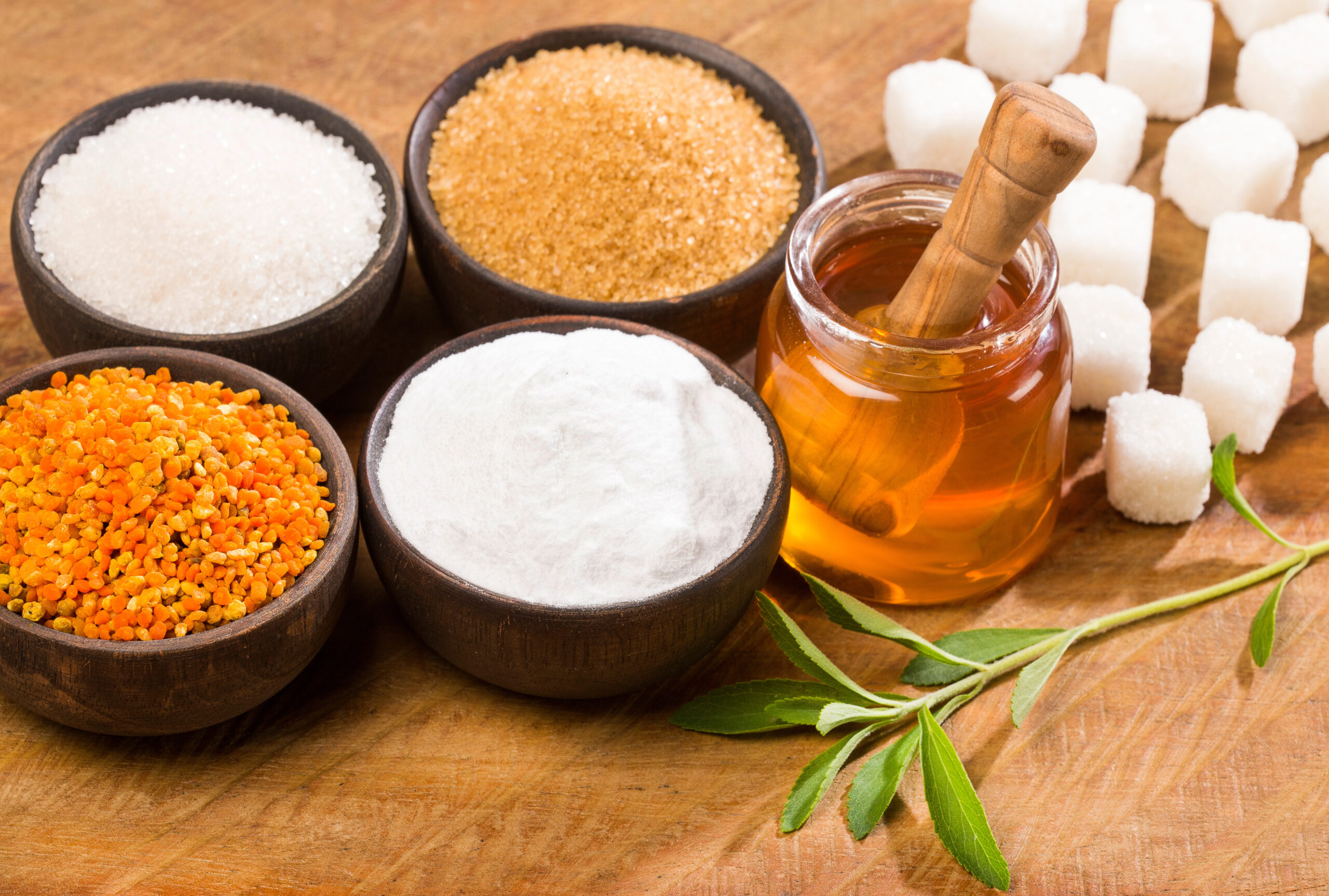
Those recommendations include ALL types of added sugars: brown sugar, maple syrup, agave syrup, honey, cane sugar, date sugar, coconut sugar, etc.  As it turns out, it’s the AMOUNT of sugar that matters most, as opposed to the TYPE of sugar.

But many people consume far more than the recommendations. The U.S. continues to be one of the highest sugar-consuming countries, with the average American now consuming between 17 – 22 teaspoons of sugar daily! That’s far above the suggested limits.


Adobe Stock Free Image

How does sugar cause inflammation?

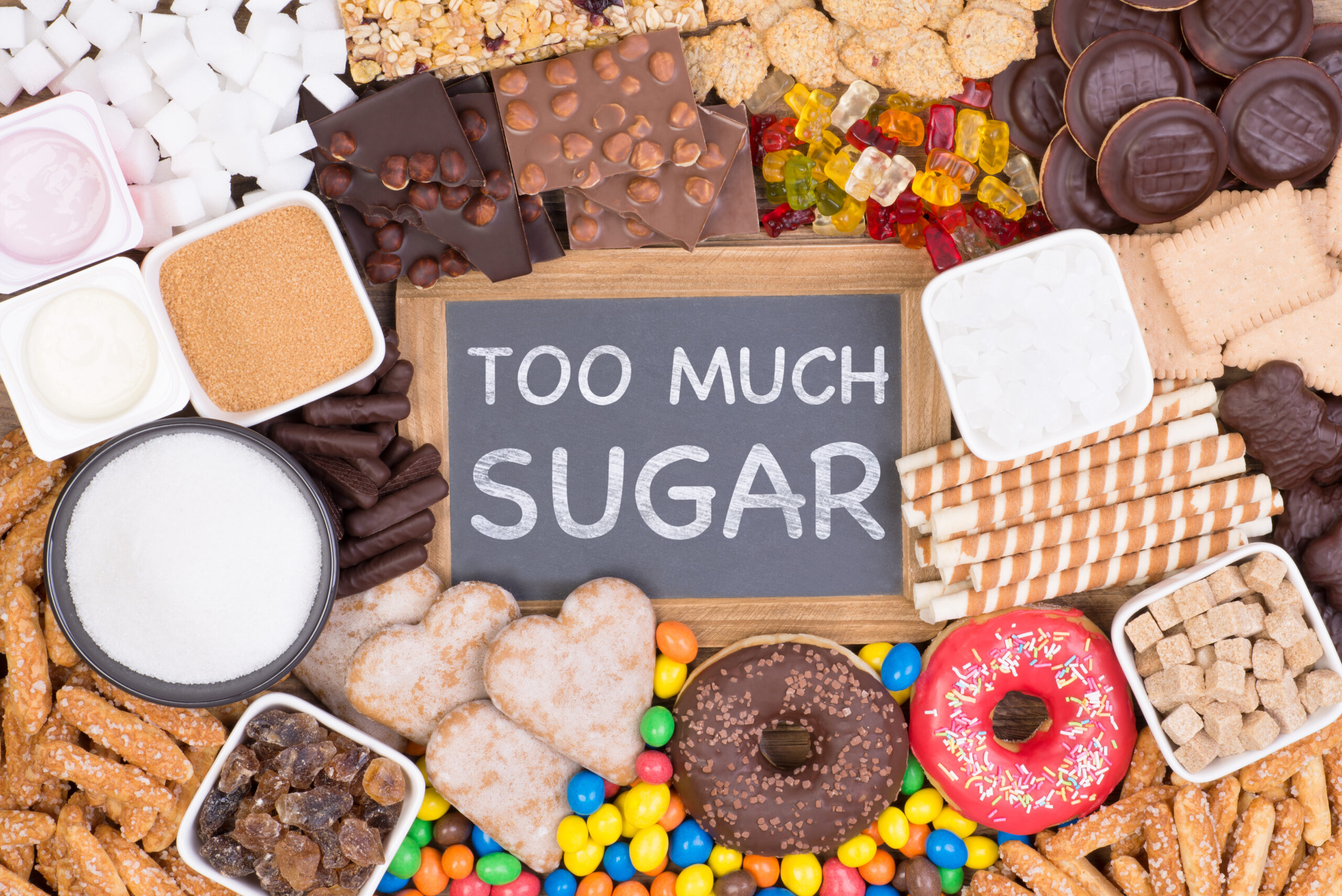
The refined sugars found in soft drinks, fruit juice, sweet tea, pastries, desserts, cookies, candy, snack cakes, cereals, and even frozen entrees can stimulate the production of something called “free fatty acids” – which circulate through the bloodstream and trigger both insulin resistance and inflammation in the skeletal system, the liver, and the protective cells that line our arteries.

Sugar also triggers the release of inflammatory cytokine cells; just 40 grams of sugar per day (which is one can of pop) leads to an increase in inflammatory markers, weight gain, and increased LDL cholesterol.

Refined sugars also lead to the excess production of AGE’s – Advanced Glycation End Products – which form when protein or fat combine with sugar in the bloodstream. Having excess amounts of AGE’s harms the body’s cells and promotes oxidative stress and chronic inflammation.

More inflammatory issues…

Sugar can also contribute to “leaky gut” – another name for Intestinal Permeability. Leaky gut occurs when the lining of the small intestine becomes damaged, causing undigested food particles, toxins, and bacteria to ‘leak’ through the lining and into the bloodstream. This process triggers inflammatory reactions that cause problems in the digestive tract and beyond.

Lastly, sugar greatly contributes to weight gain, which in and of itself contributes to inflammation because our own fat tissues release those inflammatory cytokine cells mentioned earlier.

As you can see, processed, refined sugar is rated as a highly-inflammatory food for a number of reasons! And sugar is added to pretty much ALL of our packaged foods.

Adobe Stock Free Image

How much sugar is in that item?

Here’s a quick label tip:  When looking at a product’s Nutrition Facts label, remember that 4 grams of sugar = 1 tsp.

Find the number of sugar grams, and divide by 4. That’s the equivalent of how many teaspoons of sugar the product contains per serving.

So a soda containing 41 grams of  sugar would contain 10 teaspoons of sugar (41 divided by 4 = roughly 10).  Eye opening, right?

Be sure the check the serving size, too. If a product contains 12 grams of sugar per serving, and the packages has TWO servings, you’ll be ingesting 24 grams of sugar if you eat the whole package.

Note: Products can contain natural sugars (such as fruit), added sugars, or both. The new labeling laws released in 2022 now require the Nutrition Facts Label to list the added sugars separately.  So look for the “added sugars.” And then read the ingredient list to discover the SOURCE of the sugars.

Do you struggle with sugar?

Sugar is definitely a trigger food, and many people have struggled with it, myself included. It’s highly addictive because it triggers the release of dopamine – a chemical in our brain’s pleasure center. Sadly, we send our children down this sugary addictive path at a very young age, even as babies.

If you know or suspect you have a sugar addiction, there are several things to consider. Start by examining yourself and your routine; be honest with yourself about your sugar intake. Next figure out what your plan will be. There’s no “one-size-fits all” strategy. Here are a few things to consider as part of your plan, based on your personality, lifestyle, and the realistic sustainability of each idea:

  1. Eliminate added sugars altogether; use only bananas, dates, and other fruits as a sweetener.
  2. Wean off added sugars slowly, until you reach the goal of ZERO.
  3. Limit added sugars to the recommendations of 6 tsp/day (25 grams) for women, 9 tsp/day (36 grams) for men. Note: You’ll have to track this closely! There’s sugar in ketchup, BBQ sauce, cereals, frozen entrees, and just about every packaged food.
  4. Be mindful of what you’re eating. This doesn’t mean becoming obsessive, but it does require you to pay attention.
  5. Know and AVOID your sugary trigger foods – the foods that could send you on a binge.
  6. Use a multi-approach method. For example, Dr. Neal Barnard’s book, Breaking the Food Seduction, lays out a 7-step plan.
  7. Eat balanced meals and don’t allow yourself to get ravenously hungry. Include starches (potatoes, beans, rice, corn, squash).
  8. Change your routine. Our habits often trigger us to eat, whether we’re hungry or not. Switch up your patterns, especially if it will keep you out of the kitchen.
  9. Exercise. Go for a walk or do some stretching.
  10. Focus on your motivations. WHY do you want to cut back on sugars? Health reasons? Weight issues? Write down this statement:            I want to stop eating so much sugar so that ________. Fill in the blank, and post this on the fridge.
  11. Sanitize your kitchen from candy and sweets. Ask family members to store their indulgences elsewhere or out of sight.
  12. Keep grapes, cherries, and cut-up melon in the fridge for snacks. Keep fruit-based nice cream in the freezer.

For some people, changing a few lifestyle parameters will be enough to kick the sugar habit. But others may need to employ stronger measures. Much depends on your personal situation. For example, if emotional eating is driving you to sugary foods in order to cope, then simply abstaining from sugar may not be enough. Discovering alternative methods to soothe yourself emotionally when life gets stressful will be part of the process as well.

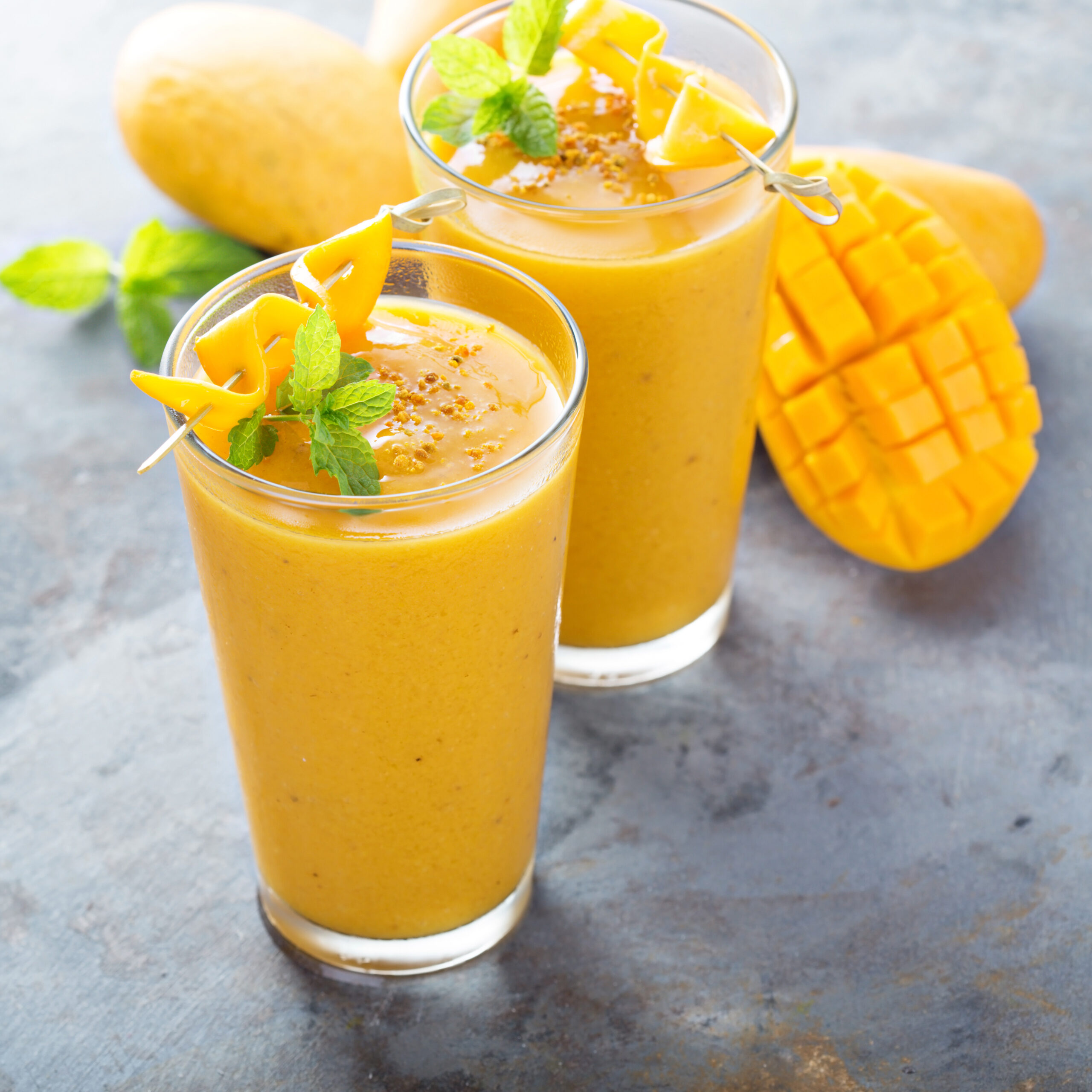
Adobe Stock Free Image

You don’t have to give up Sweet Treats!

The good news is you do NOT have to give up the sweet flavors you enjoy. But you do have to make good choices regarding your sugar intake if you want to achieve and maintain a healthy body.

Fruits (bananas, mangoes, cherries) and DATES are the absolute best sweeteners that can be used to make a variety of desserts! From cobblers, pies, puddings, and shakes, to banana splits, cupcakes, cookies, and muffins. Go to my resource page to find my recommended recipe websites.

And you can click here for a free copy of “10 Simple Dessert Smoothies” which contain ZERO refined sugar – enjoy them guilt-free!

For more details on refined sugars, plus information on artificial sweeteners, natural sugars, and acceptable sugar substitutes, please check out my class titled “Inflammation and Your Diet.”

Use the coupon code TAKE OFF50 to get 50% off the class price.


It’s not smart to stuff yourself with sweets…
(Proverbs 25:27a, MSG)

Filed Under: My Blog Tagged With: added sugar, grams of sugar, inflammation, refined sugar, sugar, sugar problems, unhealthy sugar

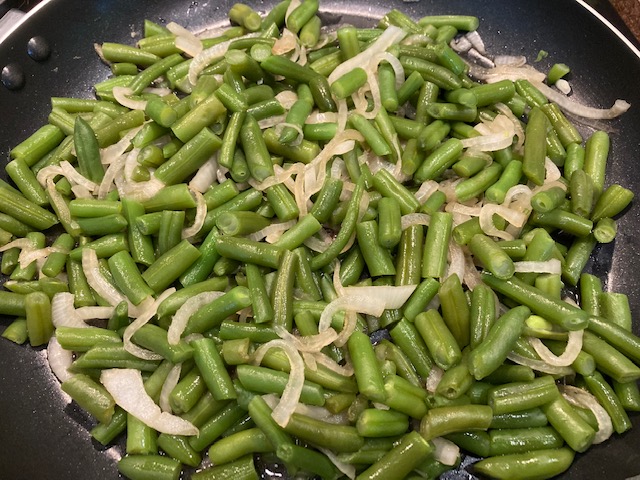
Green Beans with Braised Onion

August 8, 2022 By Cyd Notter

When you need a “go-to” side dish you can whip up in a hurry, it doesn’t get much simpler than this!

Especially if you use Steamer Green Beans.

Do use “seasoned” rice vinegar (not plain) – it does make a difference.

Here’s the recipe!

Green Beans with Braised Onions


Filed Under: My Blog Tagged With: Christian diet, green geans, healthy eating, plant based recipes, plant based side dish, plant-based nutrition, The Plan A Diet, vegan, vegetarian, whole food plant based

Pop Quiz #1: Which food has the most sodium?

July 16, 2022 By Cyd Notter

Pop Quiz Time

The teachers in my grade school were big fans of “pop quizzes.” We never knew when we’d be asked to pull out a blank piece of paper and answer the questions being written on the board.

Most of us dreaded those pop quizzes, but in retrospect, they did keep us on our toes!

In that spirit, there’s a little nutrition pop quiz just for fun. See if you know the answer 🙂

Question: Which product contains the most sodium?

a)  a serving of  beef

b)  a serving of baked all-natural chicken

c)  a large order of McDonald’s French fries

d)  a serving of salted pretzels?

(Think it over carefully as the Jeopardy music plays in your head)


Image by Peter Werkman on Unsplash.com

Ok, here’s the answer:

The chicken.

In his book How Not to Die, Dr. Michael Greger points out that the poultry industry commonly injects chicken carcasses with salt water to artificially inflate their weight, yet the chicken can still be labeled “100 percent natural.”

Consumer Reports found that some supermarket chickens are pumped so full of salt water that they registered 840 mg of sodium per serving – that could mean more than a full day’s worth of sodium in just one chicken breast.

Surprising, right?

The majority of our salt intake comes from processed food, animal products, and fast food. But a whole food, plant-based diet provides all the sodium your body needs.

Tips:

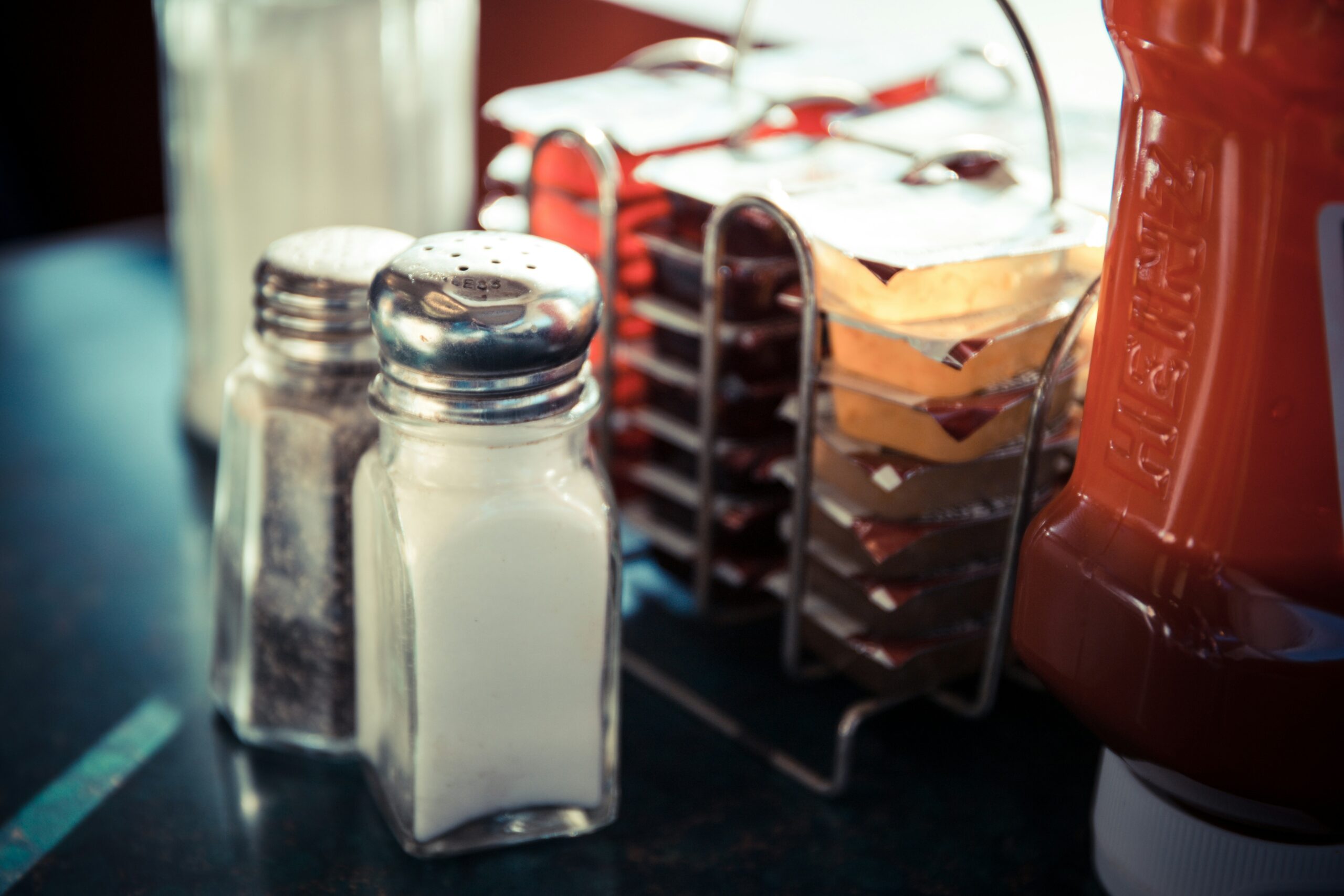
  • If you do choose to consume salt, a good rule of thumb is to salt your food at the table rather than at the stove top. Far less salt is used by flavoring the surface of your food rather than mixing/cooking it into the recipe.
  • Keeping your sodium intake below 1500 mg is ideal, according to the American Heart Association. And we get about 500 mg of naturally-occurring sodium in the plants that we eat each day. That would allow for another 1000 mg, which is about 1/2 teaspoon.
  • Lastly, make sure to read your labels! Packaged foods can be sodium bombs! Including breads, sauces, canned foods, and especially soups.

PS: Need help switching to a healthier diet? Check out my courses and optional coaching opportunities. I’d sure love to help you! 

Filed Under: My Blog Tagged With: 'Plan A' Diet, faith based diet, most sodium, Plant Based Diet, plant-based nutrition, quiz, sodium, The Plan A Diet, whole food plant based

Chocolate Orange Nice Cream (with Chocolate Orange Sauce)

July 11, 2022 By Cyd Notter

Are you a fan of chocolate and orange combined? I sure am…

That’s why I’m hooked on this recipe!
Chocolate Orange Nice Cream has just 4 simple ingredients and can be whipped up in a hurry!

Plus the delicious Chocolate Orange sauce is also simple to make 🙂

Both of these recipes can be found in the eBook, The Inside Scoop: Mastering the Art of Small Batch Nice Cream by Nathan and Lissa Maris. Fortunately, I have their gracious permission to share the Chocolate Orange recipes with you!  Click HERE to get the recipes.

If you love easy, guilt-free ice cream as much as I do… seriously, get yourself a copy of this eBook.
There are 106 recipes, and you can see every recipe title by clicking on this link.

Zero cholesterol, zero refined sugar, zero dairy hormones….
and every one of the recipes I’ve made from this eBook is out-of-this-world yummy.

Delicious desserts AND good for you… What’s not to love?!​


PS: One more thing…If you’re serious about transitioning to a healthier diet, I currently have slots available for a free strategy session to help outline a plan (no strings attached). Watch the this free webinar, then schedule a call. I’d love to help you achieve your weight and health goals!

Filed Under: My Blog

Ginger Tempeh Stuffed Sweet Potatoes with Almond Butter Sauce

July 1, 2022 By Cyd Notter

Don’t let the long name of this recipe fool you…it’s not difficult to make!

Yet everyone you serve this to will think they’re eating a gourmet dinner at a high-priced restaurant!

This recipe has been a regular in our house since a friend shared it with me back in 2020. And I’m sure it’s not going away any time soon!

It’s the combination of flavors that make this dish different – and superb!

In the past, I wasn’t a big fan of tempeh (TEM-pay); but this recipe has made me a believer. (See the photo and read more about tempeh below).

Click HERE to get the recipe!

Cyd’s Notes:

  • Omit the teaspoon of oil. You don’t need it for many reasons, plus you won’t miss it.
  • The recipe calls for tempeh, which can be found in the produce section of most grocery stores. Walmart stocks it too…near the tofu.Never heard of Tempeh? It’s basically a fermented bean ‘block’ made with soybeans and grains. Other types of beans can be used, but soybeans are the most common.I use the Lightlife brand shown below, which is made with organic soybeans and brown rice. Cut the ‘block’ into small bite-sized cubes for this recipe.

  • You’ll only need one skillet, which is why I give this recipe a good EAP rating (the amount of Equipment And Pans needed!) Both the ginger mixture and the almond butter sauce are whisked in small bowls.
  • I use organic sweet potatoes (cheapest at Walmart), but any type of sweet potatoes will work.
  • Do use the chopped scallions on top, they’re a nice addition. The hot sauce is optional; I advise tasting how delicious the potatoes are before adding hot sauce though.
  • The recipe makes 4 servings, but can easily be doubled!I’d love to know if you give this recipe a try!PS: Don’t forget to check out my free training class (3 Food Mistakes Most People are Making). If you’re READY to make the lifestyle changes needed to achieve your weight and health goals, watch this free call and consider scheduling a chat with me. 

Filed Under: My Blog

  • « Previous Page
  • 1
  • 2
  • 3
  • 4
  • 5
  • 6
  • …
  • 47
  • Next Page »
Book Cover

Click here for details

Find me elsewhere

  • Email
  • Facebook
  • Instagram
  • LinkedIn

Privacy Policy · Legal Notice & Disclosures

Copyright © 2026 · Cyd Notter · Site by WebByMike.com · Admin · Log in

FREE Training Class 

3 Food Mistakes Which Lead to Painful Joints, Extra Pounds, and Health Problems the Doctors Aren't Solving


Yes, I want to know more!
 
 
No, I'll pass for now
 

Come learn 3 things you can begin implementing today!